Author: Dr. B Leela Prasad

  • Spinal Tuberculosis Treatment in Vizag

    Spinal Tuberculosis Treatment in Vizag

    Despite what most people think, Spinal tuberculosis (TB) does not only affect the lungs. The most common type of TB is lung TB, but the infection can spread to almost any organ in the body, even the spine. Someone once said, “Tuberculosis can cause anything except pregnancy.” Consult the top doctors for the best spine tuberculosis treatment in Vizag.

    Spinal Tuberculosis most often affects the lungs, but it can also happen in the spine. Pott’s disease, which is another name for spinal tuberculosis, happens when TB germs that have been dormant in the body since childhood come back to life. If this condition isn’t treated, it can lead to extreme pain, spinal deformities, and even paralysis.

    It is imperative to see a Spine Specialist in Vizag if you or someone you care about is having constant back pain. Dr. Leela Prasad at Amulya Hospital provides the best spine tuberculosis treatment in Vizag, assisting patients regain their independence and pain-free living.

    Getting to Know Spinal Tuberculosis 

    Contrary to popular belief, tuberculosis (TB) is not limited to the lungs; it can affect almost any organ in the body. As the saying goes, “Tuberculosis can cause anything except pregnancy.”

    After the lungs, the spine is one of the most commonly affected sites. Spinal tuberculosis, also known as Pott’s disease, typically develops when dormant TB bacteria, present since childhood, become reactivated.

    If left untreated, spinal TB can lead to severe complications. Early diagnosis and timely treatment are essential to prevent long-term damage and ensure optimal recovery.

    Symptoms of Spinal Tuberculosis

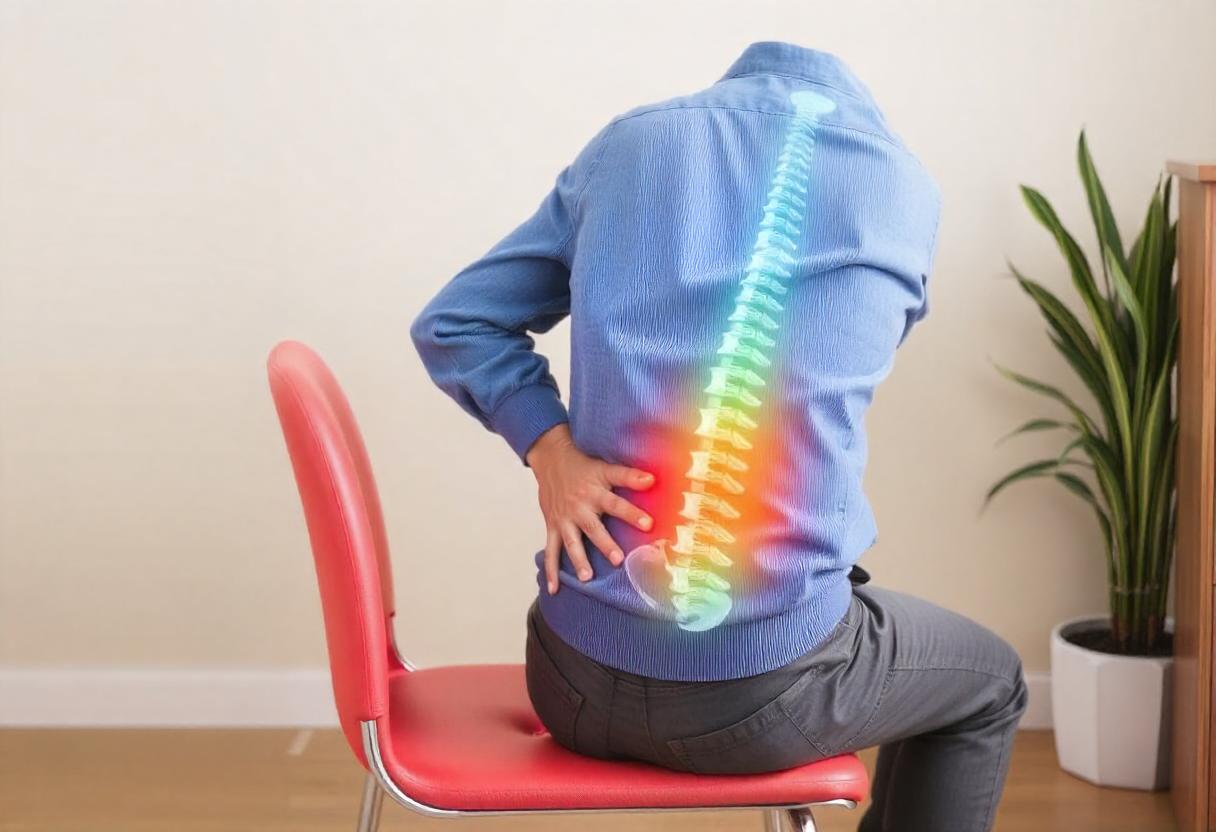
    Back pain associated with spinal TB is typically deep-seated and persists even at rest. It often worsens at night and, if left untreated, gradually intensifies over time. In severe cases, the pain can become so debilitating that it confines the patient to bed. The discomfort may be localized to the back or radiate to the limbs.

    The mid-back region, specifically the dorso-lumbar junction, is the most common site of spinal tuberculosis. One of the most prevalent symptoms is persistent back discomfort, which is characterised by:

    • Noticible during the night
    • Getting stronger over time
    • Might worsen to the point where the sufferer can’t leave their bed

    Additional symptoms:

    • Night sweats and unexplained fever
    • Fatigue and losing weight
    • Back pain, stiffness, and limited range of motion
    • Swelling or deformity in the affected area

    Possible Side Effects of Spinal Tuberculosis

    Neglected cases of tuberculosis in the spinal cord can cause serious, even fatal, consequences, such as:

    Bone Destruction

    The TB bacteria loosen the vertebrae over time, which makes the spinal column less strong. This damage can cause breaks and abnormalities, so it’s important to find the problem quickly.

    Building up of pus and nerve compression

    As the infection gets worse, pus builds up in the spine, which presses on spinal nerves. This could lead to:

    • Bad leg pain
    • Legs that feel numb or tingly
    • Lower limb weakness

    Spinal Cord Compression and Paralysis

    If the pus or broken bone puts a lot of pressure on the spinal cord, the person may experience the following:

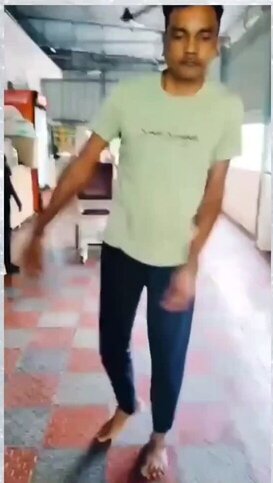
    • Partial or complete paralysis
    • Loss of bladder and bowel control

    Kyphotic Deformity (Hunchback)

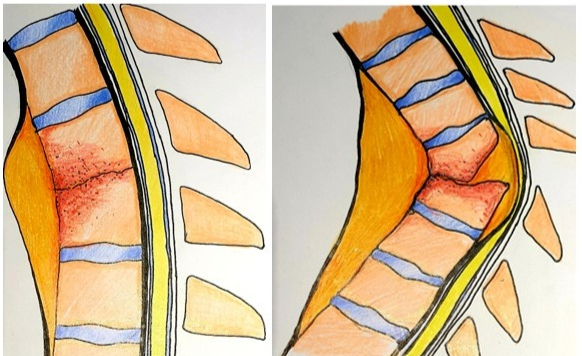
    The destruction of bone by tuberculosis bacteria can cause vertebral collapse, leading to a hunchback-like deformity known as kyphosis. A strong forward bend (kyphosis) in the spine can happen when several vertebrae break. In severe cases, a kyphotic condition that lasts for a long time can cause permanent paralysis.

    Diagnosis of Spinal Tuberculosis

    Dr. Leela Prasad, an expert in spinal tuberculosis treatment in Vizag specializes in minimally invasive surgeries to restore mobility and function.

    Diagnostic Tests for Spinal Tuberculosis Treatment

    Complete Blood Count (CBC), ESR, and CRP:

    These tests help evaluate signs of infection and inflammation in the body.

    X-rays:

    In the early stages of spinal TB, X-rays may appear normal, making diagnosis challenging. Characteristic changes become visible only after significant bone destruction has occurred.

    Magnetic Resonance Imaging (MRI):

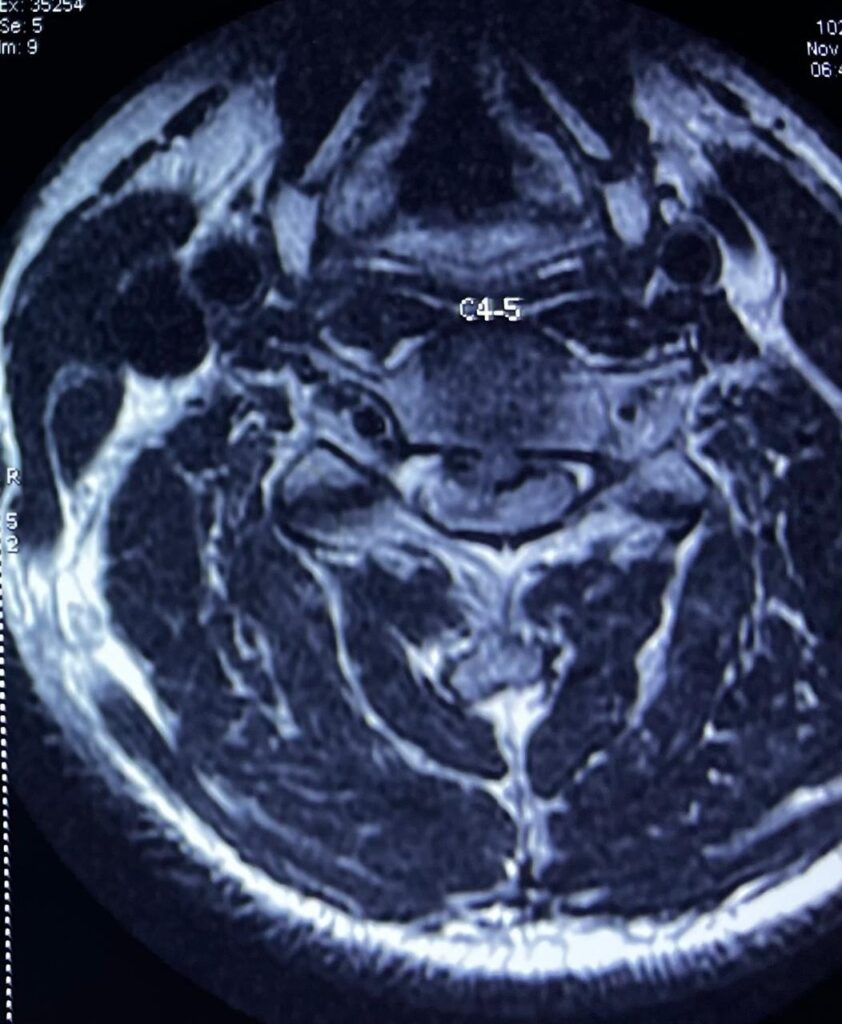
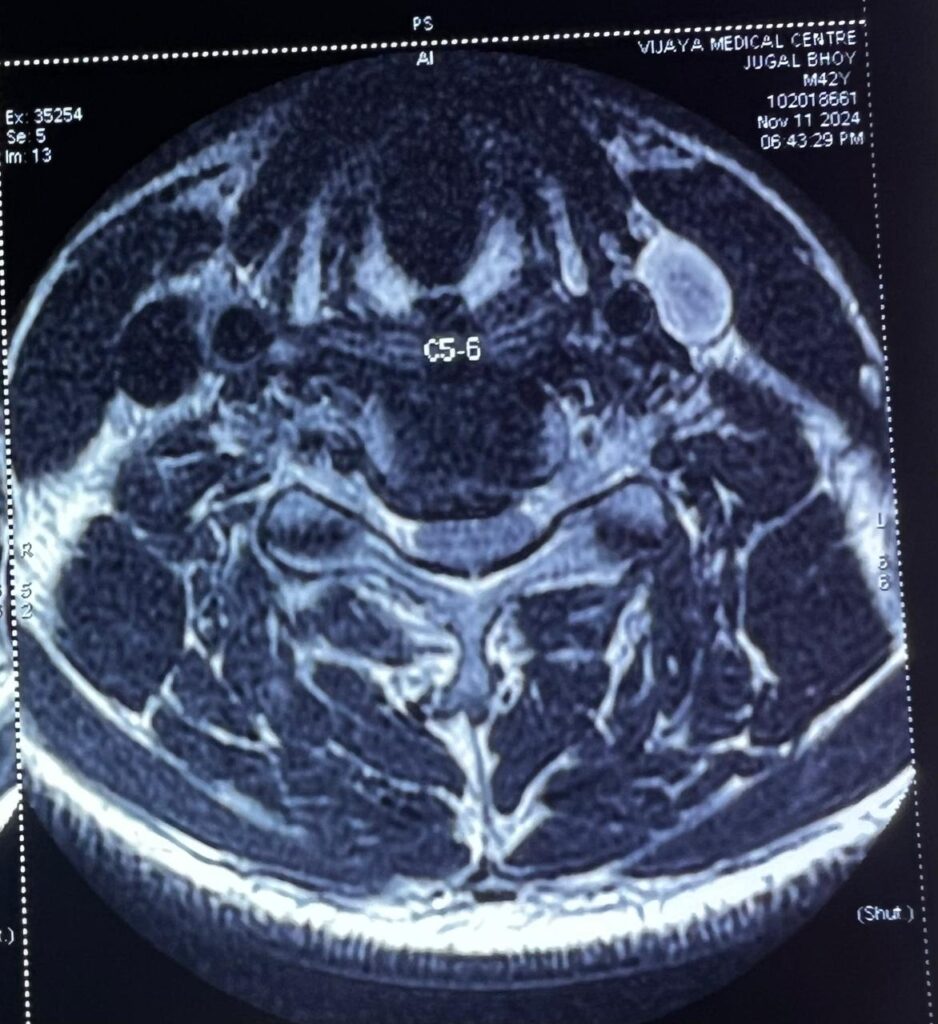
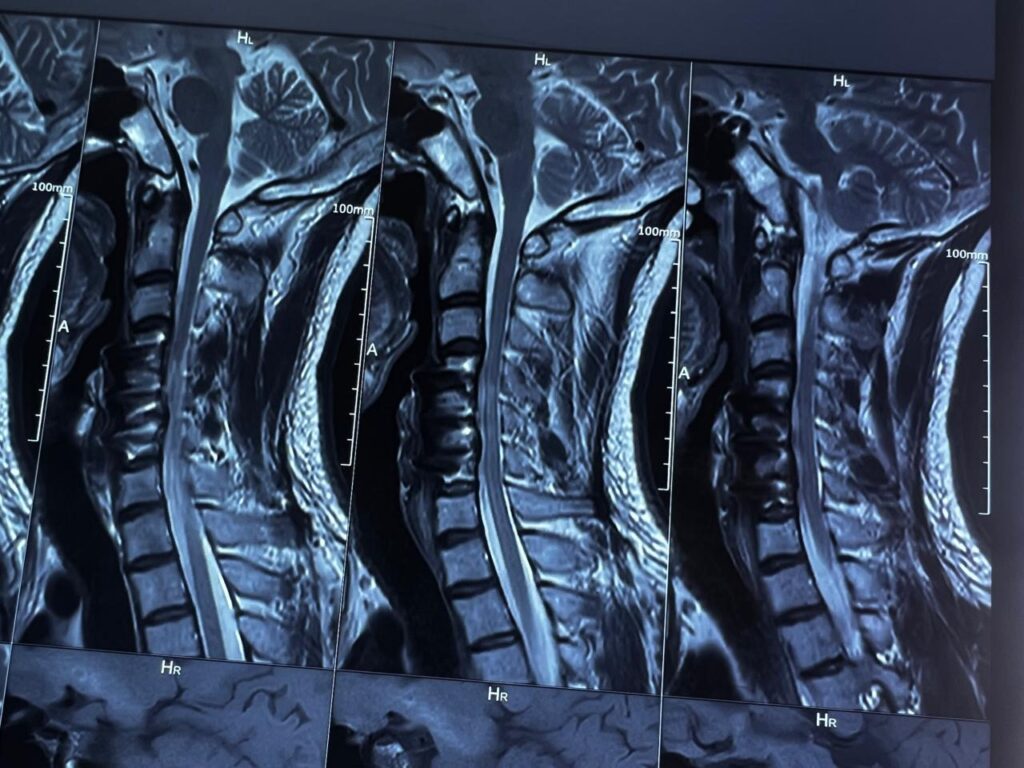
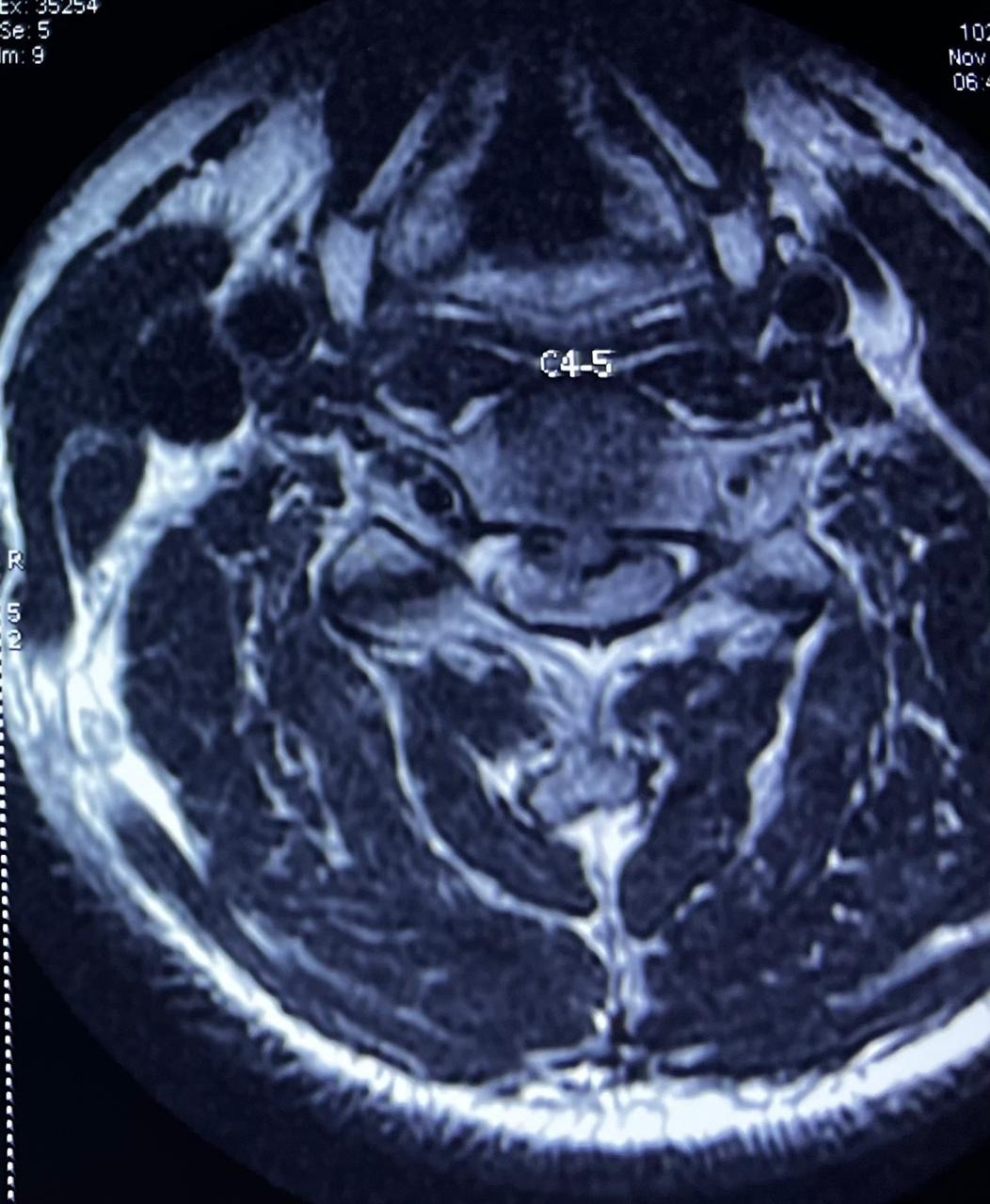
    MRI is highly sensitive in detecting spinal disorders and can identify spinal TB at an early stage, even before X-rays or CT scans reveal any abnormalities. It provides a detailed view of the extent of the disease, detects pus collections, and assesses spinal cord compression.

    Biopsy:

    A tissue sample from the affected bone is examined under a microscope to confirm the presence of spinal TB.

    A combination of these diagnostic tests is often required for an accurate diagnosis of spinal tuberculosis.

    Spine Tuberculosis Treatment in Vizag

    Tuberculosis of the spine, or any organ, is a medical condition that can be successfully treated with medicine.

    Medical Management

    Anti-tubercular therapy (ATT) consists of a combination of 4 drugs (isoniazid, rifampicin, pyrazinamide, ethambutol), which should be taken for a period of 9-12 months.

    Supportive care: Rest, analgesics, and spinal bracing to reduce pain and prevent deformity.

    Surgical Management

    • Indications: severe pain not responding to medication, Significant kyphosis, weakness and paralysis of limbs, failed medical management,
    • Surgical procedures: debridement (removal of dead bone), decompression (relieving the pressure on the spinal cord), instrumentation (supporting the spine with screws and rods), bone grafting, and fusion.
    • Goals: To relieve pressure on the spinal cord, stabilize the spine, and prevent further deformity.

    Recovery and Rehabilitation

    To get better from spinal TB, you need long-term medicine, physical therapy, and changes to your lifestyle. Patients are told to:

    • Physical therapy: To improve mobility, strength, and flexibility.
    • Pain management: To control pain and discomfort.
    • Spinal orthotics: To provide support and stability.

    Monitoring and Follow-up

    • Regular check-ups: To monitor treatment response, spinal stability, and neurological function.
    • Imaging studies: To assess spinal alignment, bone healing, and disease progression.

    For the best care of TB spine, a team effort combining orthopedic surgeons, spine surgeons, infectious disease specialists, and rehabilitation experts is needed. 

    Spine Tuberculosis Treatment in Vizag

    Dr. Leela Prasad, an expert in spinal tuberculosis treatment in Vizag, specializes in minimally invasive spinal surgeries to restore mobility and function.

    Final Thoughts:

    Spinal tuberculosis is a dangerous disease that needs to be found and treated quickly to avoid complications that can change a person’s life. If you or someone you care about has constant back pain, numbness, or weakness, talk to Dr. Leela Prasad, the best spine specialist in Visakhapatnam. With expert care and cutting-edge treatment choices, you can beat spinal TB and regain your quality of life.

  • Understanding the Warning Signs of Serious Spine Problems

    Understanding the Warning Signs of Serious Spine Problems

    Understanding the Warning Signs of Serious Spine Problems

    Home > Blog > Understanding the Warning Signs of Serious Spine Problems

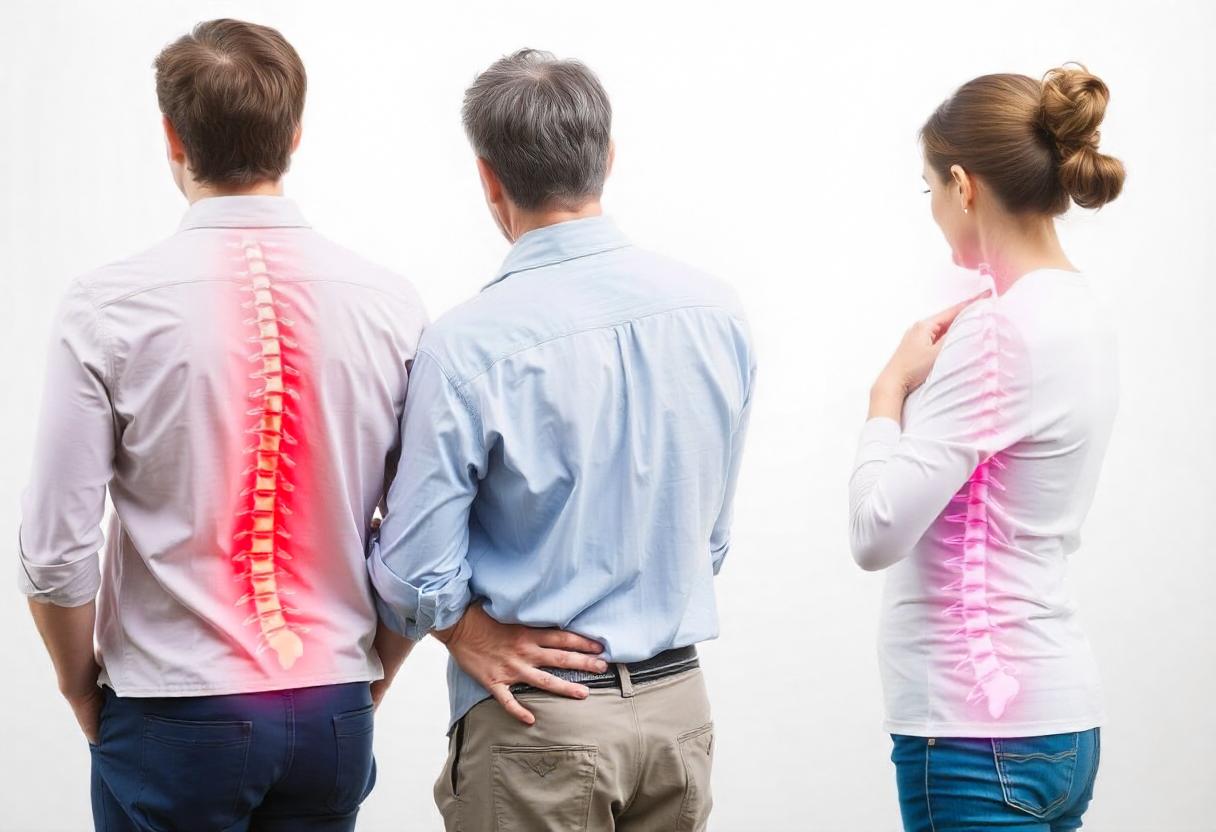
    Back pain is a common complaint that affects people of all ages, but not all back pain is the same. While minor discomfort can often be resolved with rest or lifestyle changes, some symptoms may indicate serious spine problems that require immediate attention. Here are key warning signs to watch out for:


    • Chronic or Severe Pain

      If back pain persists for weeks or becomes unbearable, it may be more than just muscle strain. Conditions like herniated discs or spinal stenosis often cause prolonged discomfort that shouldn’t be ignored.

      • Pain Radiating to the Arms or Legs

        Nerve compression in the spine can cause pain, tingling, or numbness in the arms or legs. Sciatica, for example, results in sharp pain radiating down one leg and signals an underlying spinal issue.

      • Weakness or Loss of Coordination

        Difficulty walking, balancing, or performing everyday tasks could indicate nerve damage or spinal cord compression. These symptoms should be evaluated promptly.

        • Loss of Bladder or Bowel Control

          Sudden incontinence accompanied by back pain may point to cauda equina syndrome, a rare but serious condition requiring emergency medical intervention.

      • Deformities or Visible Changes

        Noticeable curvature of the spine, such as in scoliosis or kyphosis, or visible swelling in the back, could indicate structural issues or inflammation.

        • Nighttime Pain

          Back pain that worsens at night and disrupts sleep may be a sign of infections, tumors, or other serious conditions affecting the spine.

      • Fever Along with Back Pain

        A fever combined with back pain could signal an infection, such as spinal osteomyelitis, and should be addressed immediately.

        • Sudden Onset of Pain After an Injury

          If back pain begins after a fall, accident, or sports injury, it might indicate fractures or ligament damage that requires professional care.

          • When to Seek Medical Help

            While mild back pain can often be managed with home remedies, these warning signs suggest more severe conditions that need medical attention. Early diagnosis and treatment can prevent complications and improve outcomes.

            If you experience any of these symptoms, don’t wait. Consult a spine specialist to identify the cause and receive the care you need to protect your spinal health.

    Spine Leela Logo

    We are Doctic mollis dictum sagittis. In tincidunt egestas tellus quis ultrices. Nunc id rhoncus tortor, at feugiat mi. Donec tellus lacus, pharetra sit amet neque at, tincidunt faucibus sapien.

    Visit Us

    Subscribe

  • Top 10 Everyday Habits That Could Be Hurting Your Spine

    Top 10 Everyday Habits That Could Be Hurting Your Spine

    Top 10 Everyday Habits That Could Be Hurting Your Spine

    Home > Blog > Top 10 Everyday Habits That Could Be Hurting Your Spine

    Your spine plays a crucial role in supporting your body and maintaining mobility, but everyday habits can unknowingly put stress on it. Here are ten common habits that might be hurting your spine and how to prevent them:

      • Poor Posture

        Slouching while sitting or standing puts unnecessary strain on your spine. Maintain a neutral spine position by sitting upright with your shoulders back and your feet flat on the floor.

        • Prolonged Sitting

          Sitting for extended periods, especially with improper support, can lead to back pain. Take breaks to stretch and walk around every 30 minutes.

        • Lifting Incorrectly

          Bending at the waist instead of the knees when lifting heavy objects can harm your spine. Always squat down and use your legs to lift.

          • Sleeping on the Wrong Mattress

            An unsupportive mattress can misalign your spine during sleep. Choose a medium-firm mattress that provides proper support and promotes spinal alignment.

        • Carrying Heavy Bags

          Carrying a heavy backpack or shoulder bag unevenly strains your back. Use a backpack with even weight distribution or lighten your load whenever possible.

          • Skipping Exercise

            Weak core muscles can’t adequately support your spine. Incorporate regular exercises like planks or yoga to strengthen your core and improve posture.

        • Wearing Improper Shoes

          High heels or unsupportive footwear can affect your posture and spine health. Opt for comfortable, supportive shoes for daily wear.

          • Using Poor Ergonomics at Work

            Working at a poorly arranged desk can strain your neck and back. Ensure your chair, desk, and monitor are positioned to encourage good posture.

          • Ignoring Minor Back Pain

            Disregarding mild back pain can lead to more significant issues. Pay attention to discomfort and seek advice if it persists or worsens.

            • Excessive Screen Time

              Hunching over phones or laptops can lead to “tech neck.” Keep your screen at eye level and take regular breaks to stretch.

            • Takeaway

              Your daily habits have a significant impact on your spine’s health. By making small adjustments to your posture, lifestyle, and environment, you can protect your spine and avoid unnecessary pain or injury. If you experience persistent discomfort, consult a specialist for personalized care.

            •  
          •  
    Spine Leela Logo

    We are Doctic mollis dictum sagittis. In tincidunt egestas tellus quis ultrices. Nunc id rhoncus tortor, at feugiat mi. Donec tellus lacus, pharetra sit amet neque at, tincidunt faucibus sapien.

    Visit Us

    Subscribe

  • Osteoporosis and Rising Fracture Rates

    Osteoporosis and Rising Fracture Rates

    Osteoporosis and Rising Fracture Rates

    Home > Blog > Osteoporosis and Rising Fracture Rates

    A recent study published in the journal Bone indicates that bone fracture rates are likely to increase in the coming decades. The predictions are largely related to the incidence of osteoporosis among a large segment of the population that is aging, as well as an increase in sports-related fractures among young and active people. When it comes to any type of bone fracture, especially one involving the spine, the most common and debilitating symptom is severe pain.

    This study also suggests that managing pain well is crucial to the proper healing of the fractured bone. Unfortunately, the common treatments prescribed to manage fracture pain can cause significant side effects, especially when used beyond the short-term or acute phase of pain. Though it is impossible to prevent EVERY risk associated with bone fractures, when it comes to osteoporosis, there is plenty that everyone can do to help minimize the risk of developing it.

    What You Can Do to Prevent Osteoporosis

    First, it should be understood that osteoporosis is NOT just a normal part of the aging process in humans. Rather, it is an irreversible and degenerative disease that results in bone loss over time. So when it comes to prevention, the younger one starts, the better off they’ll be later in life. But the truth is that it is NEVER too late. In order to protect your bones, one of the most important things you can do is to focus on what you eat.

    • Your diet must be well-balanced with abundant green leafy vegetables and fruit.

    • Dairy sources such as milk, yoghurt and cheese are sources high in calcium, while Vitamin D quantities are typically highest in sources of wild-caught fatty fish like salmon and tuna.

    In addition to a well-balanced diet, regular exercise is important to help reduce the risk of osteoporosis and to keep bones strong. Focus on weight-bearing exercises (think high or low-impact aerobics or walking/jogging) and muscle-strengthening (think weightlifting and exercise bands). Yoga and Pilates can also help improve strength, balance and flexibility – essential ingredients in preventing bone fracture due to falls.
     
    • The key is to engage in ENJOYABLE exercise so that you will be more likely to stick with it regularly. Aim for at least three sessions a week if you’re just starting out with the goal of building up to five.

    Finally, while it is important to incorporate a healthy diet and regular exercise into your osteoporosis prevention routine, there are some items to exclude or limit fully. These include smoking and alcohol. The chemicals in cigarettes have been widely studied as a significant contributor to bone loss, as does heavy alcohol consumption. Talk to a doctor about a smoking cessation program if you need one and limit alcoholic beverage intake to no more than 2-3 drinks per day.
    While this study may predict a rise in osteoporosis-related fractures in the coming years, the situation isn’t hopeless and there is plenty each of us can do to reverse the trend.
    Spine Leela Logo

    We are Doctic mollis dictum sagittis. In tincidunt egestas tellus quis ultrices. Nunc id rhoncus tortor, at feugiat mi. Donec tellus lacus, pharetra sit amet neque at, tincidunt faucibus sapien.

    Visit Us

    Subscribe