
Tag: Spine Specialist in Vizag

  • Common Myths About Spine Surgery

    Common Myths About Spine Surgery


    Common Myths About Spine Surgery

    1. Myth: Spine surgery is always the first treatment for back pain

    Fact:
    Most spine problems do not require surgery. The majority of patients improve with a short period of rest, appropriate medications, physiotherapy, and lifestyle changes.

    Surgery is considered only in a small percentage of cases—typically when these treatments do not provide relief or when there is significant nerve compression causing severe symptoms.


    2. Myth: Spine surgery is only for elderly patients.

    Fact:
    Spine surgery may be required in people of any age, depending on the condition. Problems such as disc prolapse, spondylolisthesis, fractures, deformities, infections, or tumors can occur in younger as well as older individuals.


    3. Myth: Spine surgery, when required, must always be done as an emergency or else the patient will become paralyzed

    Fact:
    Most spine surgeries are not emergencies and can be safely planned after proper evaluation and imaging.

    Emergency surgery is needed only in specific situations, such as:

    • Severe spinal cord compression causing rapidly progressing weakness  of limbs and/or  loss of bowel and bladder control
    • Spinal trauma causing instability

    A spine specialist will determine whether surgery is urgent, elective, or not required, based on the patient’s condition.


    4. Myth: Spine surgeons recommend surgery for all patients.

    Fact:
    This is a common misunderstanding. Spine surgeons treat the majority of patients without surgery using medications, physiotherapy, exercise, and lifestyle changes. Spine surgeons are specially trained to diagnose spine problems and decide the most appropriate treatment, whether non-surgical or surgical. Surgery is recommended only when necessary.


    5. Myth: Spine surgery is always very risky.

    Fact:
    Modern spine surgery has become much safer due to advances in surgical techniques, better imaging, improved anesthesia, and enhanced perioperative care. Many procedures today are minimally invasive, which means smaller incisions, less tissue damage, and faster recovery.

    Patients are carefully evaluated before surgery, and the benefits, risks, and alternatives are thoroughly discussed.

    6. Myth: Spine surgery leaves large scars and requires long hospital stays.

    Fact:
    Many spine surgeries today are minimally invasive, involving smaller incisions, less muscle damage, shorter hospital stays, and faster recovery.


    7 Myth: Spine surgery requires months of bed rest.

    Fact:
    With modern techniques, patients are usually encouraged to start walking within a day or two after surgery. Early mobilization helps recovery and reduces complications.

    8. Myth: Recovery after spine surgery is very slow.

    Fact:
    Recovery after spine surgery varies depending on the severity and duration of the underlying condition, the type of surgery performed, and the patient’s overall health. With proper rehabilitation and medical guidance, many patients are able to return to their daily activities within a few weeks.

    However, in certain situations—especially when the spinal cord or nerves have been compressed for a long time before surgery—recovery may take longer. In such cases, improvement is often gradual and may sometimes be incomplete, depending on the extent of nerve damage prior to treatment.


    9. Myth: Patients cannot return to sports or dancing after spine surgery.

    Fact:
    After proper recovery and rehabilitation, many patients can return to sports, exercise, and dancing, depending on the type of surgery and medical advice.

    10. Myth: Spine surgery means permanent disability.

    Fact:
    Most patients return to normal daily activities, work, and exercise after recovery.


    11. Myth: The risk of nerve injury or paralysis after spine surgery is very high.

    Fact:
    The risk of nerve injury or paralysis is very low in most spine surgeries. Even in complex procedures, the risk is generally low when surgery is performed by experienced spine surgeons using modern techniques and safety measures.

    Many spine operations are actually performed to relieve pressure on nerves or the spinal cord and prevent permanent nerve damage.


    12. Myth: Once you have spine surgery, you will need repeated surgeries.

    Fact:
    Most patients do not require repeat surgeries. When surgery is performed for the right indication and followed by proper rehabilitation, many patients experience long-term relief.

    However, some spine conditions, such as disc prolapse, can recur over time, and natural aging may lead to degeneration at other levels of the spine. Hence, a small percentage of patients may require additional surgery later.


    13. Myth: Eating dal after spine surgery causes surgical wound infection.

    Fact:
    Eating dal does not cause wound infection. In fact, dal is a rich source of protein, which is essential for wound healing and recovery after surgery.

    Wound infections (surgical site infections) are usually caused by germs entering the surgical wound during or after surgery. Several factors can contribute to this, including a breach in sterile technique, inadequate sterilization of instruments or the operating environment, excessive tissue handling, or blood loss during surgery.

    Patient-related factors such as uncontrolled diabetes, obesity, poor hygiene, low immunity, smoking, and improper wound care after surgery also increase the risk.


    14. Myth: Spine surgery should be done only by neurosurgeons.

    Fact:
    Spine surgery is performed by both neurosurgeons and orthopedic spine surgeons who have specialized training in spine care.

    • Neurosurgeons traditionally focus more on intradural problems such as spinal cord tumors and nerve-related conditions.
    • Orthopedic spine surgeons often focus more on extradural problems such as spinal malalignment, deformities, fractures, and spinal stabilization.

    The most important factor is the surgeon’s expertise, training, and experience in spine surgery.


    15. Myth: Major spine surgeries are done only in metro cities.

    Fact:
    Major spine surgeries are no more limited to metro cities. With advancements in medical technology and training, many well-equipped hospitals in smaller cities and towns are now capable of performing complex spine procedures safely and effectively.

    Qualified spine surgeons, modern operation theatres, advanced imaging, and improved anesthesia care are increasingly available beyond metro areas. As a result, patients can often receive high-quality spine care closer to home.


    16. Myth: It is better to avoid spine surgery at all costs.

    Fact:
    When surgery is recommended for the right reasons and at the right time, it can relieve severe pain, protect nerves, and significantly improve quality of life.


    Key Message:


    Spine surgery is not required for most patients, but when necessary, it can be safe, effective, and life-changing, helping relieve pain and restore normal function.


    Best Spine Surgeon in Vizag – Dr. B. Leela Prasad, Amulya Hospital

    Dr. B. Leela Prasad is one of the most trusted and experienced spine surgeons in Vizag, currently practicing at Amulya Hospital. With many years of experience in orthopaedics and spine surgery, he specializes in treating conditions such as slip disc, sciatica, spinal deformities, and complex spine infections.

    Known for his patient-centric approach, Dr. Leela Prasad focuses on accurate diagnosis and prefers non-surgical treatments whenever possible, recommending surgery only when necessary. He is skilled in advanced and minimally invasive spine procedures, ensuring faster recovery and better outcomes for patients.

    At Amulya Hospital, patients benefit from modern facilities, advanced technology, and personalized care, making it a reliable destination for comprehensive spine treatment in Visakhapatnam.

  • Spinal Tuberculosis Treatment in Vizag

    Spinal Tuberculosis Treatment in Vizag

    Despite what most people think, Spinal tuberculosis (TB) does not only affect the lungs. The most common type of TB is lung TB, but the infection can spread to almost any organ in the body, even the spine. Someone once said, “Tuberculosis can cause anything except pregnancy.” Consult the top doctors for the best spine tuberculosis treatment in Vizag.

    Spinal Tuberculosis most often affects the lungs, but it can also happen in the spine. Pott’s disease, which is another name for spinal tuberculosis, happens when TB germs that have been dormant in the body since childhood come back to life. If this condition isn’t treated, it can lead to extreme pain, spinal deformities, and even paralysis.

    It is imperative to see a Spine Specialist in Vizag if you or someone you care about is having constant back pain. Dr. Leela Prasad at Amulya Hospital provides the best spine tuberculosis treatment in Vizag, assisting patients regain their independence and pain-free living.

    Getting to Know Spinal Tuberculosis 

    Contrary to popular belief, tuberculosis (TB) is not limited to the lungs; it can affect almost any organ in the body. As the saying goes, “Tuberculosis can cause anything except pregnancy.”

    After the lungs, the spine is one of the most commonly affected sites. Spinal tuberculosis, also known as Pott’s disease, typically develops when dormant TB bacteria, present since childhood, become reactivated.

    If left untreated, spinal TB can lead to severe complications. Early diagnosis and timely treatment are essential to prevent long-term damage and ensure optimal recovery.

    Symptoms of Spinal Tuberculosis

    Back pain associated with spinal TB is typically deep-seated and persists even at rest. It often worsens at night and, if left untreated, gradually intensifies over time. In severe cases, the pain can become so debilitating that it confines the patient to bed. The discomfort may be localized to the back or radiate to the limbs.

    The mid-back region, specifically the dorso-lumbar junction, is the most common site of spinal tuberculosis. One of the most prevalent symptoms is persistent back discomfort, which is characterised by:

    • Noticible during the night
    • Getting stronger over time
    • Might worsen to the point where the sufferer can’t leave their bed

    Additional symptoms:

    • Night sweats and unexplained fever
    • Fatigue and losing weight
    • Back pain, stiffness, and limited range of motion
    • Swelling or deformity in the affected area

    Possible Side Effects of Spinal Tuberculosis

    Neglected cases of tuberculosis in the spinal cord can cause serious, even fatal, consequences, such as:

    Bone Destruction

    The TB bacteria loosen the vertebrae over time, which makes the spinal column less strong. This damage can cause breaks and abnormalities, so it’s important to find the problem quickly.

    Building up of pus and nerve compression

    As the infection gets worse, pus builds up in the spine, which presses on spinal nerves. This could lead to:

    • Bad leg pain
    • Legs that feel numb or tingly
    • Lower limb weakness

    Spinal Cord Compression and Paralysis

    If the pus or broken bone puts a lot of pressure on the spinal cord, the person may experience:

    • Partial or complete paralysis
    • Loss of bladder and bowel control

    Kyphotic Deformity (Hunchback)

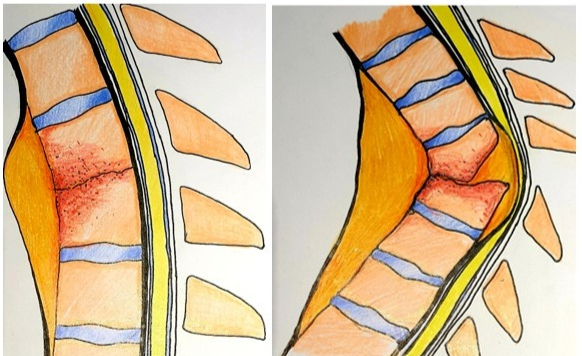
    The destruction of bone by tuberculosis bacteria can cause vertebral collapse, leading to a hunchback-like deformity known as kyphosis. A strong forward bend (kyphosis) in the spine can happen when several vertebrae break. In severe cases, a kyphotic condition that lasts for a long time can cause permanent paralysis.

    Diagnosis of Spinal Tuberculosis

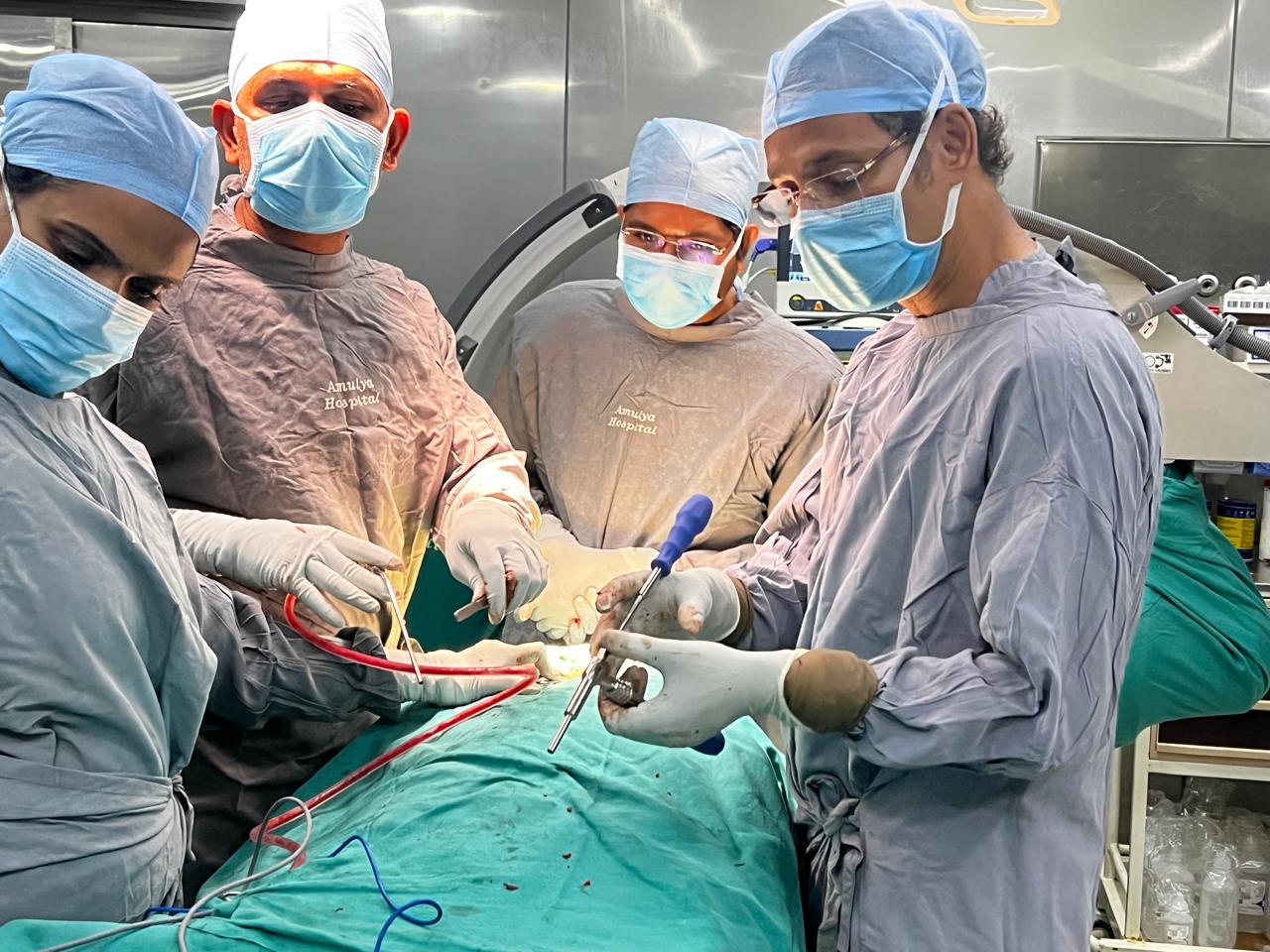
    Dr. Leela Prasad, an expert in spinal tuberculosis treatment in Vizag specializes in minimally invasive surgeries to restore mobility and function.

    Diagnostic Tests for Spinal Tuberculosis Treatment

    Complete Blood Count (CBC), ESR, and CRP:

    These tests help evaluate signs of infection and inflammation in the body.

    X-rays:

    In the early stages of spinal TB, X-rays may appear normal, making diagnosis challenging. Characteristic changes become visible only after significant bone destruction has occurred.

    Magnetic Resonance Imaging (MRI):

    MRI is highly sensitive in detecting spinal disorders and can identify spinal TB at an early stage, even before X-rays or CT scans reveal any abnormalities. It provides a detailed view of the extent of the disease, detects pus collections, and assesses spinal cord compression.

    Biopsy:

    A tissue sample from the affected bone is examined under a microscope to confirm the presence of spinal TB.

    A combination of these diagnostic tests is often required for an accurate diagnosis of spinal tuberculosis.

    Treatment for Spine Tuberculosis Treatment in Vizag

    Tuberculosis of the spine, or any organ, is a medical condition that can be successfully treated with medicine.

    Medical Management

    Anti-tubercular therapy (ATT) consists of a combination of 4 drugs (isoniazid, rifampicin, pyrazinamide, ethambutol), which should be taken for a period of 9-12 months.

    Supportive care: Rest, analgesics, and spinal bracing to reduce pain and prevent deformity.

    Surgical Management

    • Indications: severe pain not responding to medication, Significant kyphosis, weakness and paralysis of limbs, failed medical management,
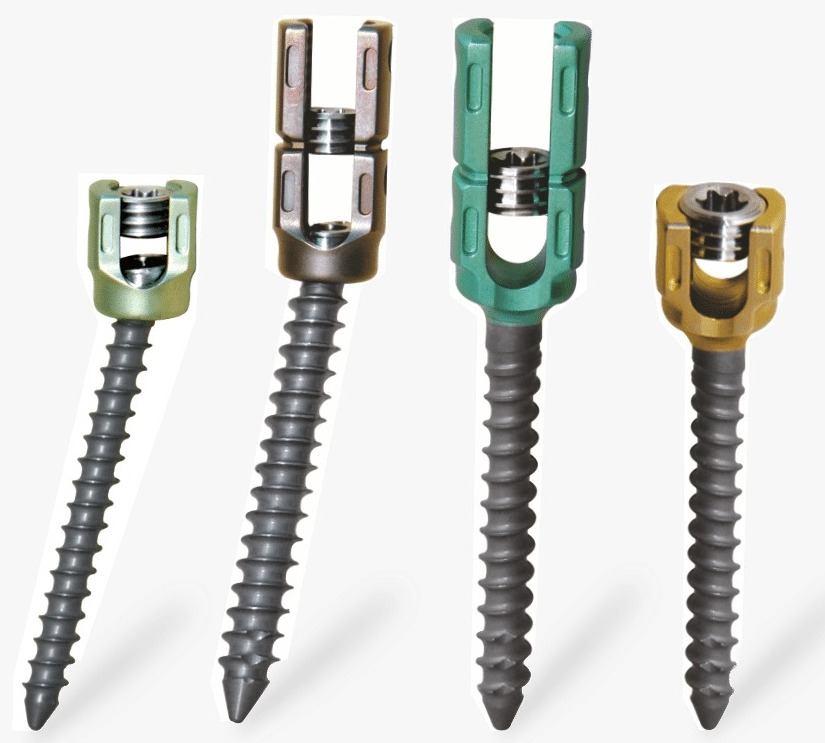
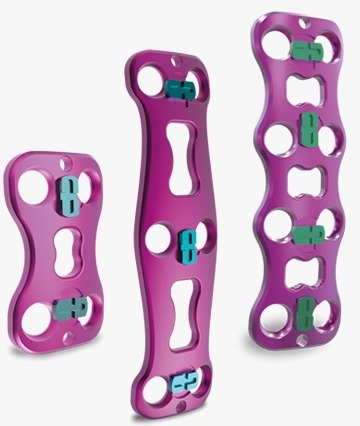
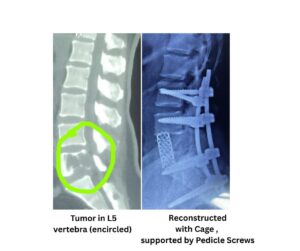
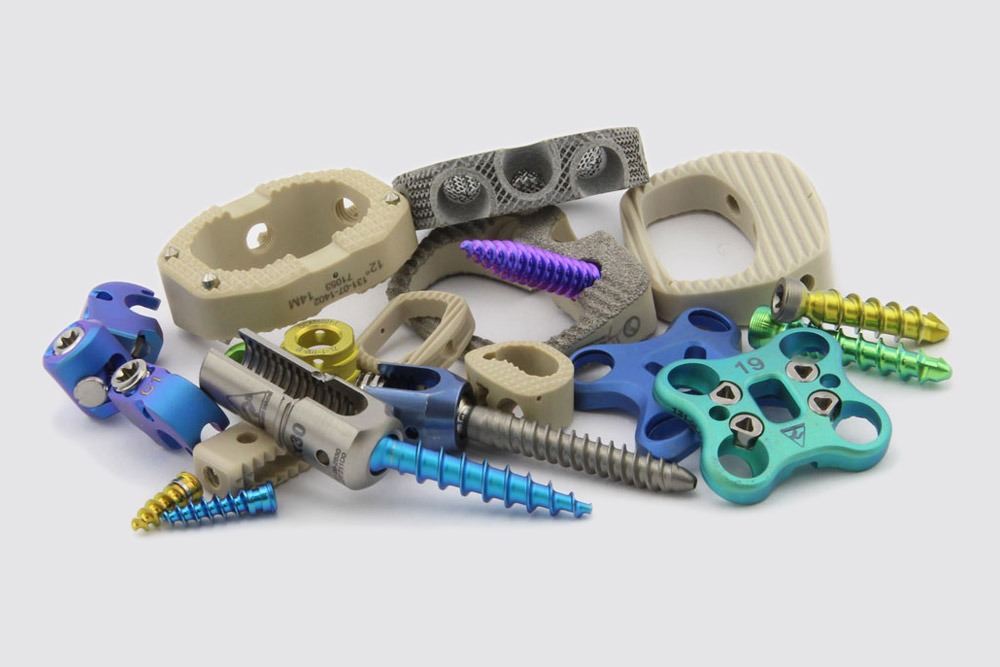
    • Surgical procedures: Debridement( removal of dead bone), decompression( relieving the pressure on spinal cord),  instrumentation (supporting the spine with screws rods), bone grafting and fusion.
    • Goals: To relieve pressure on the spinal cord, stabilize the spine, and prevent further deformity.

    Recovery and Rehabilitation

    To get better from spinal TB, you need long-term medicine, physical therapy, and changes to your lifestyle. Patients are told to:

    •  Physical therapy: To improve mobility, strength, and flexibility.
    • Pain management: To control pain and discomfort.
    • Spinal orthotics: To provide support and stability.

    Monitoring and Follow-up

    • Regular check-ups: To monitor treatment response, spinal stability, and neurological function.
    • Imaging studies: To assess spinal alignment, bone healing, and disease progression.

    For the best care of TB spine, a team effort combining orthopaedic surgeons, spine surgeons, infectious disease specialists, and rehabilitation experts is needed. 

    Spine Tuberculosis Treatment in Vizag

    Dr. Leela Prasad, an expert in spinal tuberculosis treatment in Vizag, specializes in minimally invasive spinal surgeries to restore mobility and function.

    Final Thoughts:

    Spinal tuberculosis is a dangerous disease that needs to be found and treated quickly to avoid complications that can change a person’s life. If you or someone you care about has constant back pain, numbness, or weakness, talk to Dr. Leela Prasad, the best spine specialist in Visakhapatnam. With expert care and cutting-edge treatment choices, you can beat spinal TB and regain your quality of life.