Tag: Dr. B. Leela Prasad

  • Common Myths About Spine Surgery

    Common Myths About Spine Surgery


    Common Myths About Spine Surgery

    1. Myth: Spine surgery is always the first treatment for back pain

    Fact:
    Most spine problems do not require surgery. The majority of patients improve with a short period of rest, appropriate medications, physiotherapy, and lifestyle changes.

    Surgery is considered only in a small percentage of cases—typically when these treatments do not provide relief or when there is significant nerve compression causing severe symptoms.


    2. Myth: Spine surgery is only for elderly patients.

    Fact:
    Spine surgery may be required in people of any age, depending on the condition. Problems such as disc prolapse, spondylolisthesis, fractures, deformities, infections, or tumors can occur in younger as well as older individuals.


    3. Myth: Spine surgery, when required, must always be done as an emergency or else the patient will become paralyzed

    Fact:
    Most spine surgeries are not emergencies and can be safely planned after proper evaluation and imaging.

    Emergency surgery is needed only in specific situations, such as:

    • Severe spinal cord compression causing rapidly progressing weakness  of limbs and/or  loss of bowel and bladder control
    • Spinal trauma causing instability

    A spine specialist will determine whether surgery is urgent, elective, or not required, based on the patient’s condition.


    4. Myth: Spine surgeons recommend surgery for all patients.

    Fact:
    This is a common misunderstanding. Spine surgeons treat the majority of patients without surgery using medications, physiotherapy, exercise, and lifestyle changes. Spine surgeons are specially trained to diagnose spine problems and decide the most appropriate treatment, whether non-surgical or surgical. Surgery is recommended only when necessary.


    5. Myth: Spine surgery is always very risky.

    Fact:
    Modern spine surgery has become much safer due to advances in surgical techniques, better imaging, improved anesthesia, and enhanced perioperative care. Many procedures today are minimally invasive, which means smaller incisions, less tissue damage, and faster recovery.

    Patients are carefully evaluated before surgery, and the benefits, risks, and alternatives are thoroughly discussed.

    6. Myth: Spine surgery leaves large scars and requires long hospital stays.

    Fact:
    Many spine surgeries today are minimally invasive, involving smaller incisions, less muscle damage, shorter hospital stays, and faster recovery.


    7 Myth: Spine surgery requires months of bed rest.

    Fact:
    With modern techniques, patients are usually encouraged to start walking within a day or two after surgery. Early mobilization helps recovery and reduces complications.

    8. Myth: Recovery after spine surgery is very slow.

    Fact:
    Recovery after spine surgery varies depending on the severity and duration of the underlying condition, the type of surgery performed, and the patient’s overall health. With proper rehabilitation and medical guidance, many patients are able to return to their daily activities within a few weeks.

    However, in certain situations—especially when the spinal cord or nerves have been compressed for a long time before surgery—recovery may take longer. In such cases, improvement is often gradual and may sometimes be incomplete, depending on the extent of nerve damage prior to treatment.


    9. Myth: Patients cannot return to sports or dancing after spine surgery.

    Fact:
    After proper recovery and rehabilitation, many patients can return to sports, exercise, and dancing, depending on the type of surgery and medical advice.

    10. Myth: Spine surgery means permanent disability.

    Fact:
    Most patients return to normal daily activities, work, and exercise after recovery.


    11. Myth: The risk of nerve injury or paralysis after spine surgery is very high.

    Fact:
    The risk of nerve injury or paralysis is very low in most spine surgeries. Even in complex procedures, the risk is generally low when surgery is performed by experienced spine surgeons using modern techniques and safety measures.

    Many spine operations are actually performed to relieve pressure on nerves or the spinal cord and prevent permanent nerve damage.


    12. Myth: Once you have spine surgery, you will need repeated surgeries.

    Fact:
    Most patients do not require repeat surgeries. When surgery is performed for the right indication and followed by proper rehabilitation, many patients experience long-term relief.

    However, some spine conditions, such as disc prolapse, can recur over time, and natural aging may lead to degeneration at other levels of the spine. Hence, a small percentage of patients may require additional surgery later.


    13. Myth: Eating dal after spine surgery causes surgical wound infection.

    Fact:
    Eating dal does not cause wound infection. In fact, dal is a rich source of protein, which is essential for wound healing and recovery after surgery.

    Wound infections (surgical site infections) are usually caused by germs entering the surgical wound during or after surgery. Several factors can contribute to this, including a breach in sterile technique, inadequate sterilization of instruments or the operating environment, excessive tissue handling, or blood loss during surgery.

    Patient-related factors such as uncontrolled diabetes, obesity, poor hygiene, low immunity, smoking, and improper wound care after surgery also increase the risk.


    14. Myth: Spine surgery should be done only by neurosurgeons.

    Fact:
    Spine surgery is performed by both neurosurgeons and orthopedic spine surgeons who have specialized training in spine care.

    • Neurosurgeons traditionally focus more on intradural problems such as spinal cord tumors and nerve-related conditions.
    • Orthopedic spine surgeons often focus more on extradural problems such as spinal malalignment, deformities, fractures, and spinal stabilization.

    The most important factor is the surgeon’s expertise, training, and experience in spine surgery.


    15. Myth: Major spine surgeries are done only in metro cities.

    Fact:
    Major spine surgeries are no more limited to metro cities. With advancements in medical technology and training, many well-equipped hospitals in smaller cities and towns are now capable of performing complex spine procedures safely and effectively.

    Qualified spine surgeons, modern operation theatres, advanced imaging, and improved anesthesia care are increasingly available beyond metro areas. As a result, patients can often receive high-quality spine care closer to home.


    16. Myth: It is better to avoid spine surgery at all costs.

    Fact:
    When surgery is recommended for the right reasons and at the right time, it can relieve severe pain, protect nerves, and significantly improve quality of life.


    Key Message:


    Spine surgery is not required for most patients, but when necessary, it can be safe, effective, and life-changing, helping relieve pain and restore normal function.


    Best Spine Surgeon in Vizag – Dr. B. Leela Prasad, Amulya Hospital

    Dr. B. Leela Prasad is one of the most trusted and experienced spine surgeons in Vizag, currently practicing at Amulya Hospital. With many years of experience in orthopaedics and spine surgery, he specializes in treating conditions such as slip disc, sciatica, spinal deformities, and complex spine infections.

    Known for his patient-centric approach, Dr. Leela Prasad focuses on accurate diagnosis and prefers non-surgical treatments whenever possible, recommending surgery only when necessary. He is skilled in advanced and minimally invasive spine procedures, ensuring faster recovery and better outcomes for patients.

    At Amulya Hospital, patients benefit from modern facilities, advanced technology, and personalized care, making it a reliable destination for comprehensive spine treatment in Visakhapatnam.

  • Common Myths About Scoliosis – And the Truth

    Common Myths About Scoliosis – And the Truth

                                        Dr. B. LEELA PRASAD

                                        SPINE SURGEON 

                                        AMULYA HOSPITAL

    Common Myths About Scoliosis

    Myth 1: “Carrying heavy school bags/backpacks causes scoliosis.”
    Truth: Carrying heavy school bags may cause temporary back or shoulder pain, but it does not cause scoliosis.

    A heavy bag can strain muscles, but it will not permanently change the shape of the spine.

    Myth 2: “Scoliosis is caused by poor posture.”

    Truth: Poor posture does not cause scoliosis. Slouching may make asymmetry more noticeable, but it does not create a structural spinal curve.

    Myth 3: “Scoliosis only affects girls.”

    Truth: Both boys and girls can develop scoliosis. However, girls are more likely to have curves that progress and require treatment.

    Myth 4: “Scoliosis always causes visible deformity.”

    Truth: Many scoliosis curves are mild and barely noticeable. Possible signs include uneven shoulders, rib prominence, or waist asymmetry — but not everyone has obvious physical changes.

    Myth 5: “Scoliosis is painful.”

    Truth: Scoliosis in children and adolescents is usually painless. Pain is more common in adults with long-standing curves or degenerative changes, but many people with scoliosis live completely pain-free.

    Myth 6: “Scoliosis can be corrected by exercise and physiotherapy.”

    Truth: Exercise and physiotherapy improve strength, posture, and comfort — but they usually do not permanently straighten a structural curve.

    Specialized programs such as the Schroth method may help manage progression and improve symmetry, but they are not a guaranteed cure.

    Myth 7: “Braces cure scoliosis.”

    Truth: Bracing does not cure scoliosis. It helps prevent the curve from worsening while a child is still growing.

    Myth 8: “Everyone with scoliosis needs surgery.”

    Truth: Surgery is recommended only for severe or rapidly progressing curves. Most patients are either monitored regularly or treated with bracing.

    Myth 9: “If you need surgery, you’ll never be active again.”

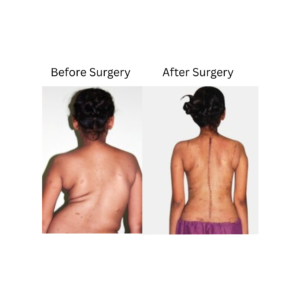
    Truth: Most patients return to sports, dance, and everyday activities within a few months after surgery.

    Although procedures like Spinal fusion may reduce flexibility in the treated segments, patients are generally encouraged to remain active once healing is complete.

    Myth 10: “Females cannot have normal childbirth after scoliosis surgery.”

    Truth: Most women who undergo scoliosis correction surgery can conceive normally, carry pregnancy safely, and deliver vaginally.

    Scoliosis surgery does not affect the uterus, ovaries, or hormonal function, so fertility is typically unaffected.

    Myth 11: “Children stop growing taller after scoliosis correction surgery.”

    Truth: Children do not automatically stop growing after scoliosis surgery.

    Most procedures are performed near or after the adolescent growth spurt, when most spinal growth is already complete.

    Many children actually become taller immediately after surgery because the curved spine is straightened.

    Spinal fusion stops growth only in the fused segments. Growth of the unfused spine, legs, and the rest of the body continues until skeletal maturity.

    In very young children with early-onset scoliosis, surgeons may use growth-friendly techniques instead of full fusion to allow continued spinal growth.

    Myth 12: “Scoliosis surgery is very risky and often causes serious complications like paralysis.”

    Truth: Scoliosis correction is a complex procedure, but with modern techniques and intraoperative monitoring, it is considered safe when performed by experienced spine deformity surgeons.

    Serious complications such as paralysis are very rare.

    Myth 13: “Complex spine surgeries can only be done in major metropolitan cities.”

    Truth: In the past, scoliosis correction was largely concentrated in metropolitan centers due to the need for highly specialized surgeons, advanced ICUs, experienced anesthesia teams, and specialized instrumentation.

    Over the past 10–15 years, spine care has advanced significantly. Surgical expertise, modern technology, and advanced hospital infrastructure are now available in many Tier 2 cities.

    As a result, complex spine surgeries such as scoliosis correction can be safely and successfully performed in well-equipped centers—including cities like Visakhapatnam—provided the necessary expertise, technology, and multidisciplinary support are in place.

    For scoliosis treatment in Visakhapatnam, one needs to consult a top spine surgeon in Visakhapatnam. Visit Dr. B. Leela Prasad, one of the best scoliosis consultation specialists in Vizag. These are some common myths about scoliosis that people believe.

  • Scoliosis: All you need to know

    Scoliosis: All you need to know

    What is Scoliosis

    Scoliosis is a structural spinal disorder in which the spine curves sideways rather than remaining straight. Normally, the spine has gentle front-to-back curves that help maintain balance and absorb shock. In scoliosis, however, there is a side-to-side curvature, often accompanied by rotation of the vertebrae.

    The condition is most commonly detected in children and adolescents, particularly during periods of rapid growth, although it can affect individuals of any age. Earlier consultation for scoliosis treatment from an expert doctor can help you understand more about the condition, treatment, and medication.

    Types and causes

    • Adolescent idiopathic scoliosis: This is the most common type, accounting for nearly 80% of cases. It develops during adolescence and occurs more frequently in girls. Although the exact cause remains unknown, genetic, hormonal, and neuromuscular factors are believed to contribute.
    • Congenital scoliosis: This results from abnormal vertebral development during fetal growth. The vertebrae may be fused, missing, or incompletely formed.
    • Neuromuscular scoliosis: It arises secondary to conditions such as cerebral palsy, muscular dystrophy, or spinal cord injury, in which weakened or imbalanced muscles are unable to provide adequate support to the spine.
    • Degenerative scoliosis: It develops in older adults as a result of age-related wear and tear of the intervertebral discs and facet joints, leading to progressive spinal curvature.

    Symptoms

    Symptoms vary depending on the severity of the curvature.

    Visible Signs:

    • Uneven shoulders
    • Tilted waistline
    • One hip higher than the other
    • Rib prominence when bending forward

    Mild cases may go unnoticed and are often detected during routine screening.

    Children and adolescents typically do not experience pain. However, adults may report pain and stiffness of the back.

    In severe cases, significant curvature can reduce chest cavity space, potentially causing breathing difficulties and, rarely, impaired heart function.

    Diagnosis and Imaging

    Scoliosis is typically diagnosed by a physical examination. The spinal curvature becomes more apparent when the patient is asked to bend forward, a maneuver known as the forward bend test

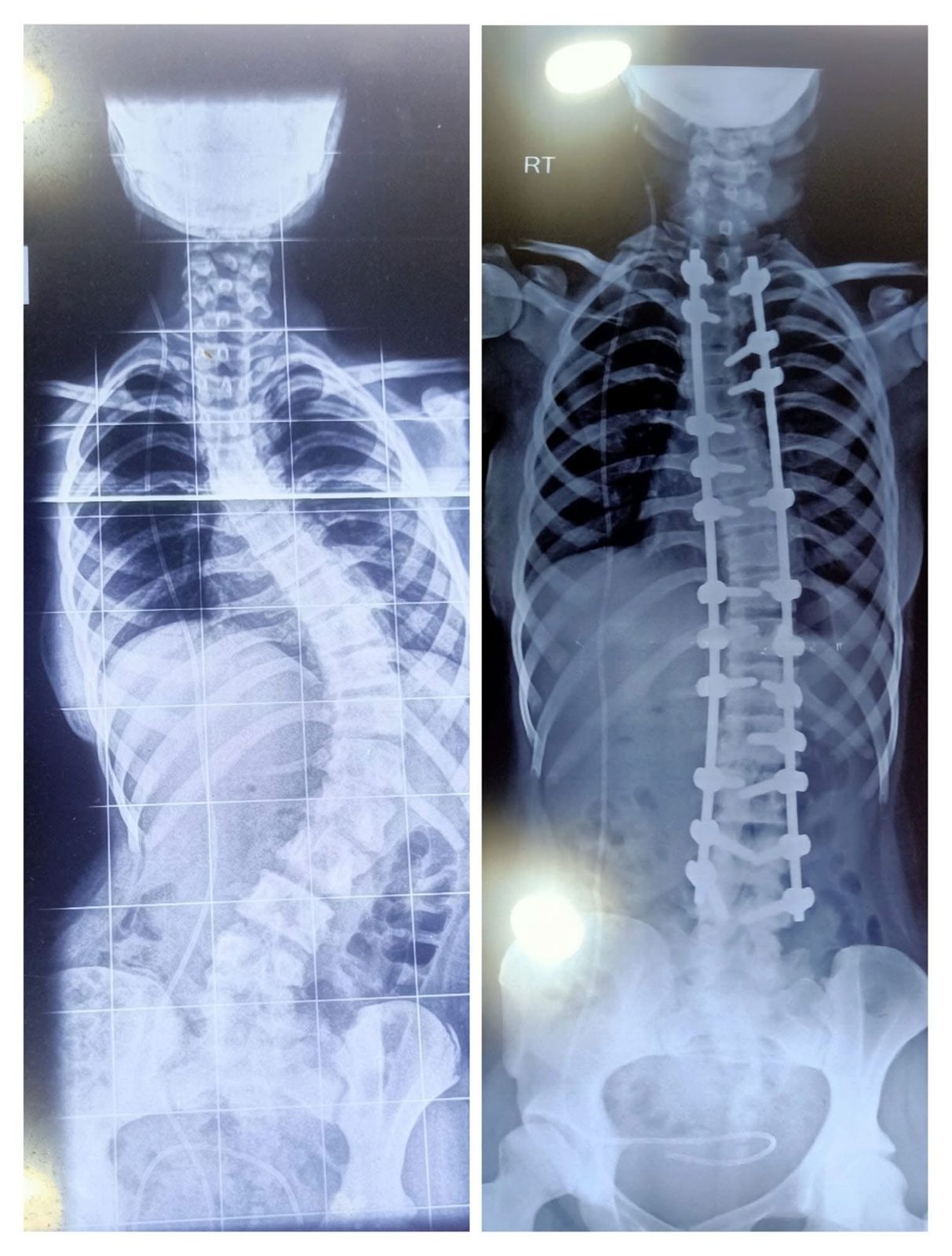
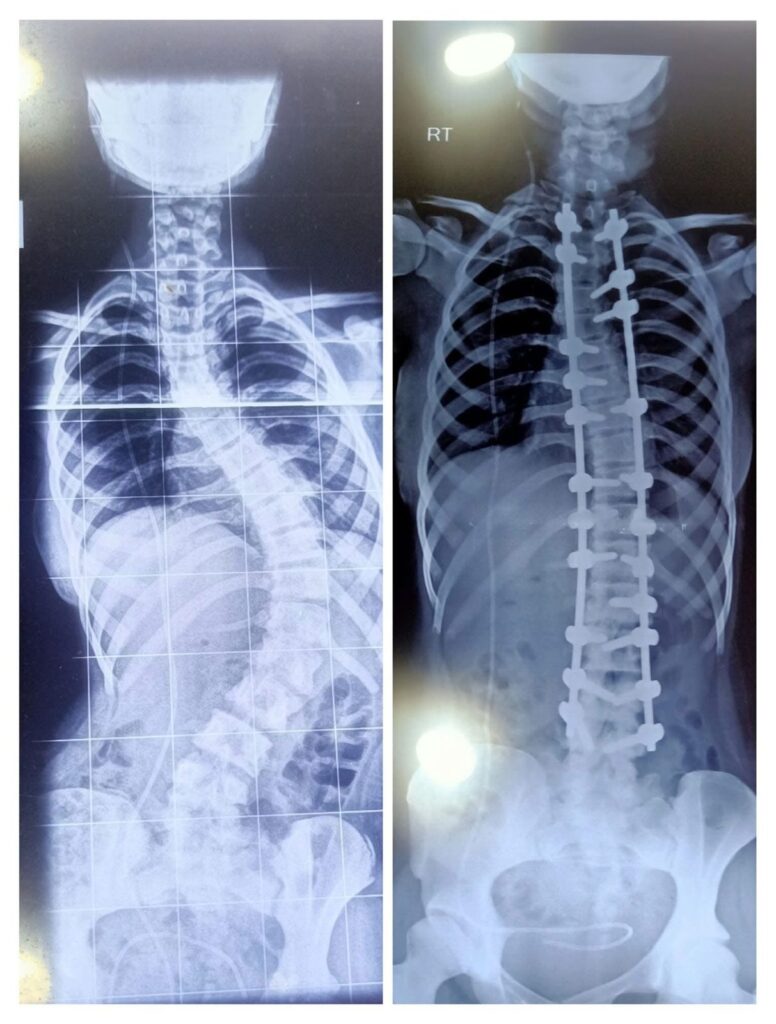
    X-rays are used to confirm the diagnosis and to measure the severity of the curvature using the Cobb angle. Curves less than 20 degrees are generally classified as mild, those between 20 and 40 degrees as moderate, and curves greater than 40–50 degrees as severe. 

    MRI scans are done to rule out underlying abnormalities of the spinal cord.

    Follow-Up and Risk of Progression

    • Growing children require regular follow-up, typically with X-rays every six months, to monitor changes in the spinal curvature. 
    • The risk of curve progression depends on several factors, including the child’s age, remaining growth potential, and the magnitude of the curve at the time of diagnosis.

    Treatment

    Treatment depends on:

    • Curve severity
    • Patient’s age
    • Remaining growth
    • Risk of progression

    Mild curves in adolescents who have completed growth often require no active treatment but should be monitored.


    Bracing

    It is a key treatment option for moderate scoliosis, particularly in children and adolescents who are still growing. While braces do not correct or straighten the spine, they are effective in preventing further progression of the curve. For optimal effectiveness, the brace must be worn for about 20 hours per day. They are usually worn under clothing. Children wearing braces can continue to participate in most daily activities, and once growth is complete, bracing may no longer be necessary.

    Surgical Correction

    Surgery is generally recommended for:

    • Curves greater than 50°
    • Curves likely to progress despite conservative management

    The procedure typically involves:

    • Placement of titanium screws in vertebrae
    • Connecting the screws with rods to correct alignment
    • Correcting the deformity with controlled manoevers
    • Bone grafting to achieve spinal fusion

    Fusion stabilises the spine and prevents further worsening of the curve.

    Complications of Surgery

    Scoliosis correction is a major surgical procedure with potential risks and complications. 

    Immediate Complications:

    • Significant blood loss
    • Weakness or paralysis due to spinal cord injury
    • Anaesthesia-related complications
    • Need for postoperative ICU care
    • Implant-related problems
    • Wound infection

    Late Complications:

    • Progression above or below the fused segment
    • Delayed wound infection

    The risk of surgical complications can be reduced through meticulous planning and the surgeon’s skill and experience in execution.

    Lifestyle and Supportive Care

    Non-medical measures play an important supportive role:

    • Physical therapy to improve muscle balance and posture
    • Core strengthening exercises
    • Swimming, yoga, and Pilates for flexibility and fitness
    • Psychological support for body image concerns and emotional well-being

    Adolescents may experience stress or self-consciousness, making emotional support essential.

    Outlook

    Scoliosis is no longer considered a disabling condition. With modern medical and surgical advancements, individuals with scoliosis can lead active, productive lives. Women can safely bear children, even after corrective surgery.

    Effective treatment is now available in many well-equipped hospitals, not just major metropolitan centers.

    Why Choose Spine Leela for Scoliosis Treatment in Vizag?

    Choosing treatment with Dr. B. Leela Prasad at Spine Leela for scoliosis treatment in Vizag is one of the best decisions for patients seeking expert spine care. With extensive experience in diagnosing and managing spinal deformities, he provides personalized treatment plans tailored to each patient’s condition and age.

    At Spine Leela, advanced diagnostic tools, modern surgical techniques, and compassionate care ensure safe, effective, and long-term results for scoliosis patients in Vizag.

  • Unusual presentation of Cervical Myelopathy – A Journey from Wheelchair to Recovery

    Unusual presentation of Cervical Myelopathy – A Journey from Wheelchair to Recovery

    Unusual presentation of Cervical Myelopathy – A Journey from Wheelchair to Recovery

    Even a specialist doctor cannot choose the patients coming to him. Patients with symptoms totally unrelated to the specialty may visit the doctor with a lot of confidence and hope. In this context, let me narrate an interesting case.

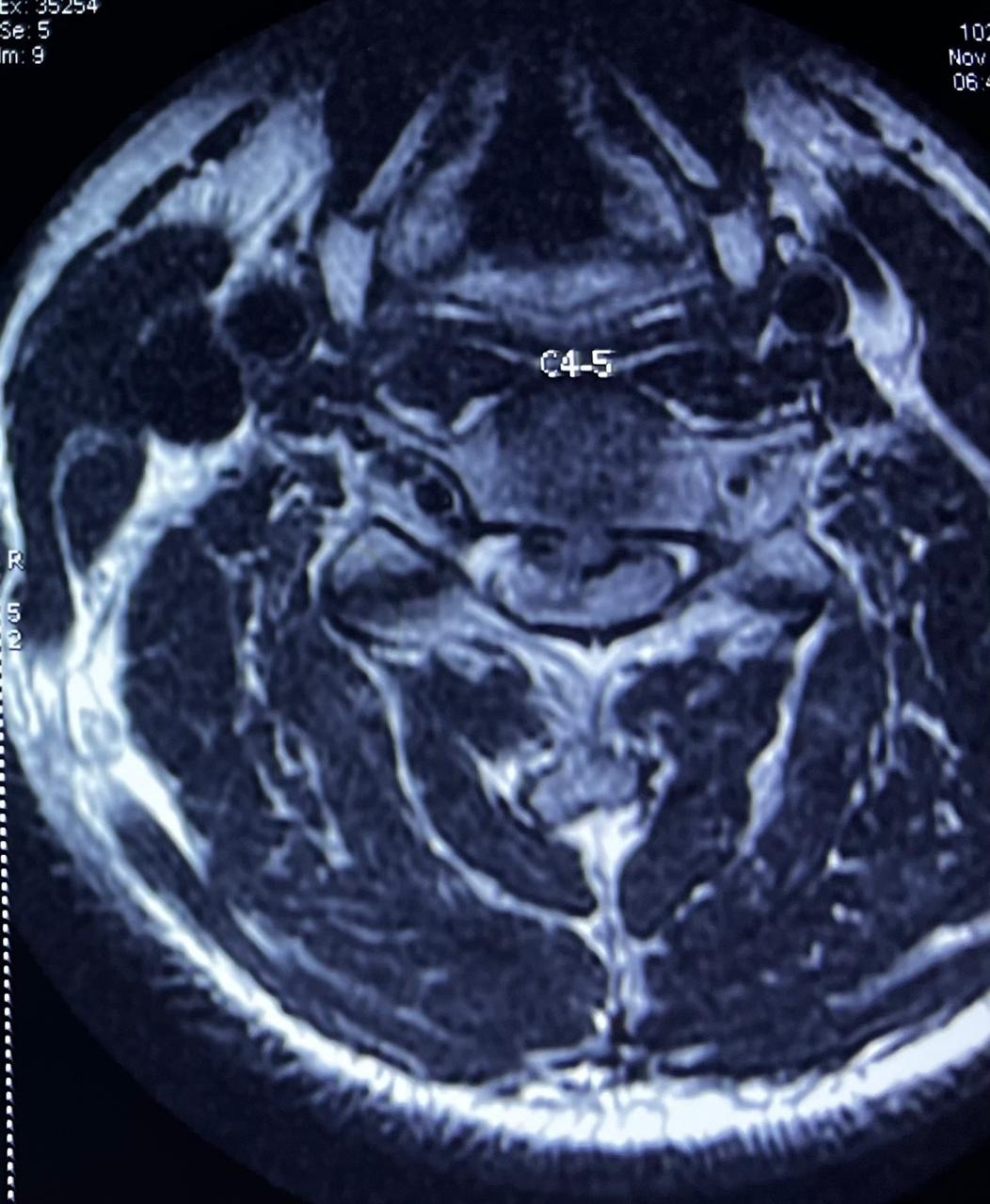
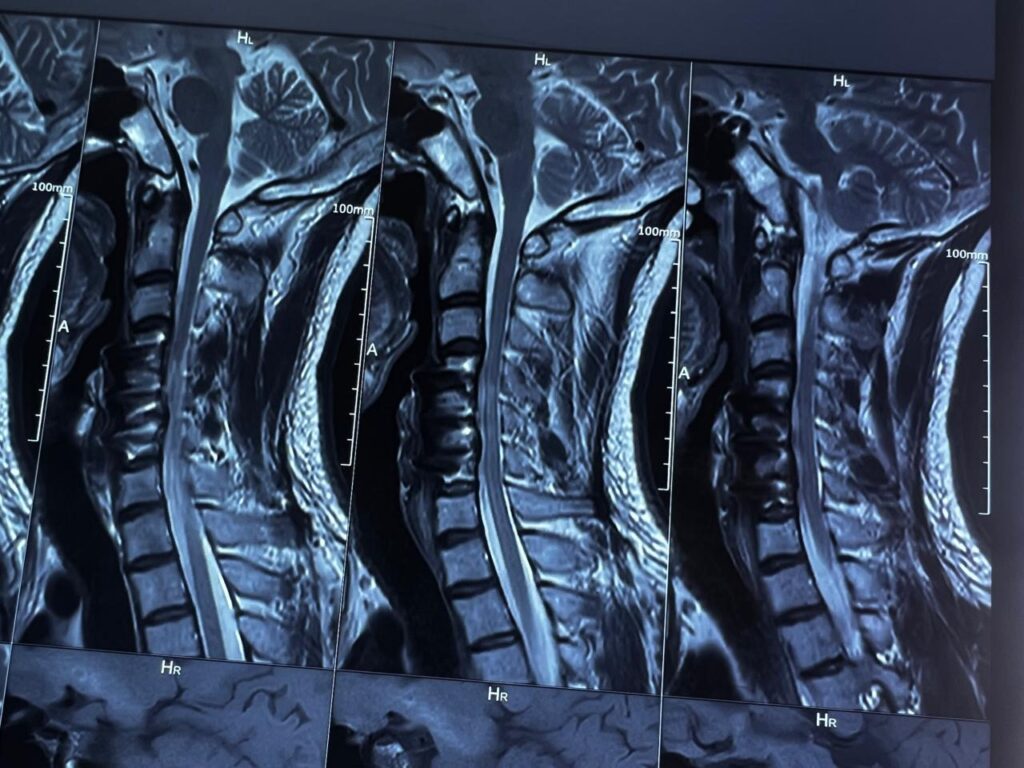
    A 40-year-old gentleman from a neighboring state came down with paralysis of the right upper and lower limbs. His symptoms were worsening rapidly, and he became wheelchair-bound within a few days. As paralysis of one half of the body is very typical of a brain stroke, I was wondering why he decided to visit me and asked him to consult a neurophysician. He told me he had already consulted a neurophysician in his home town and he had no relief. An MRI of the brain was already done; it was normal. After careful clinical examination, I suspected a problem in the cervical spine and asked for an MRI scan of that region. 


    Diagnosis and Surgical Decision-

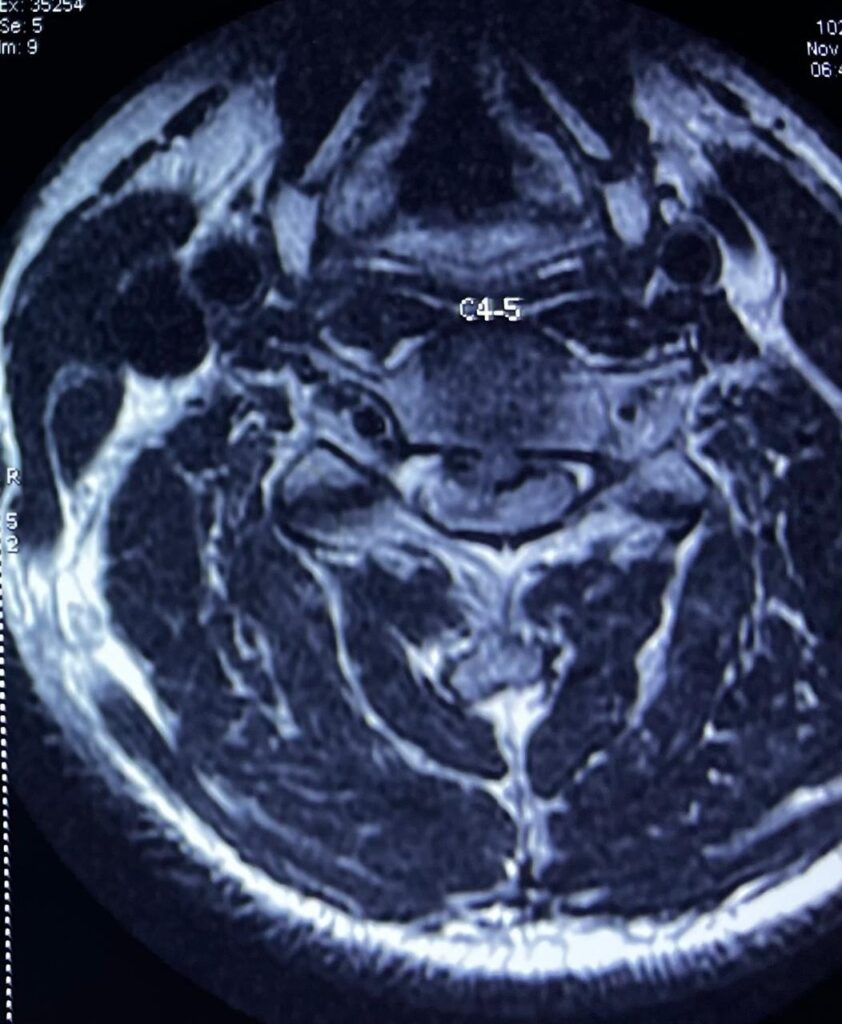
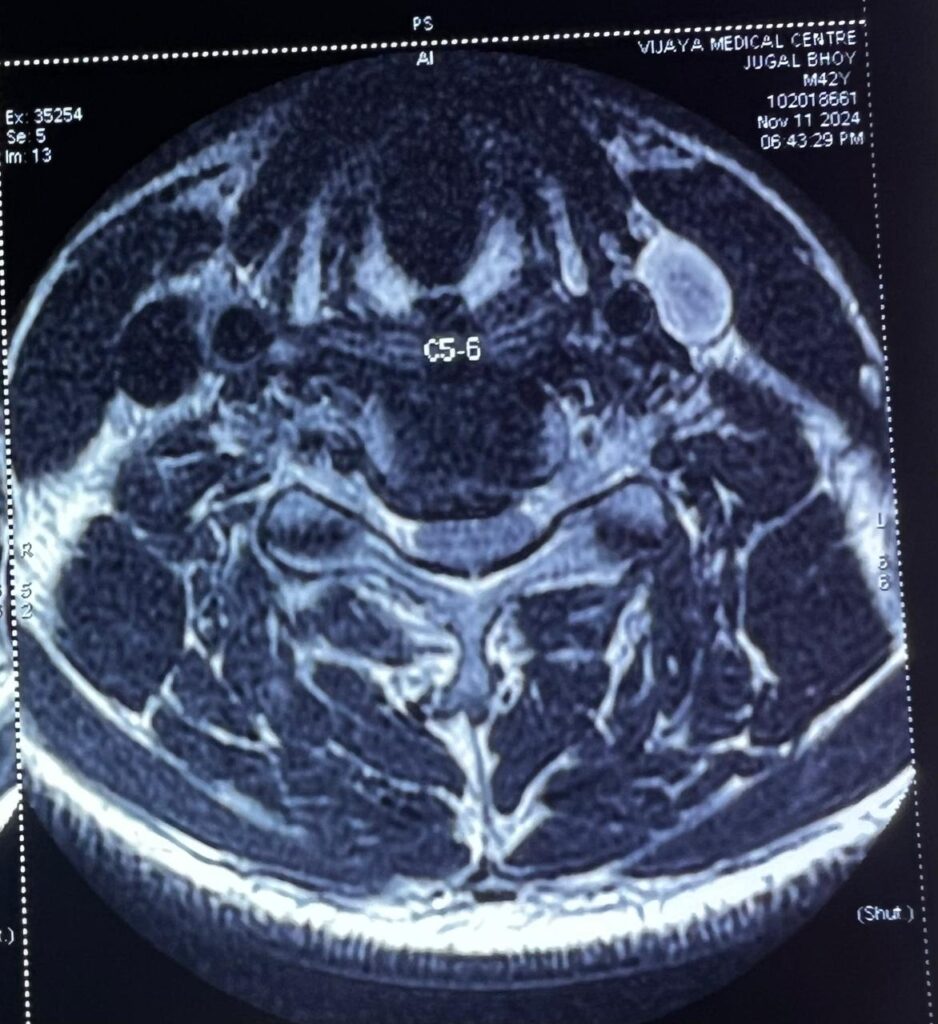
    The scan showed disc prolapse at the C4-5 and C5-6 levels, with severe compression of the spinal cord. The paralysis of his right hand and leg was due to this compression. A diagnosis of cervical myelopathy was made  , and as the patient was rapidly deteriorating, surgery was advised. The patient was taken up for surgery after a detailed discussion with his family regarding the risks, benefits, and possible outcomes. Surgery (Anterior Cervical Discectomy and Fusion (ACDF)) was done at the C4-5 and C5-6 levels.

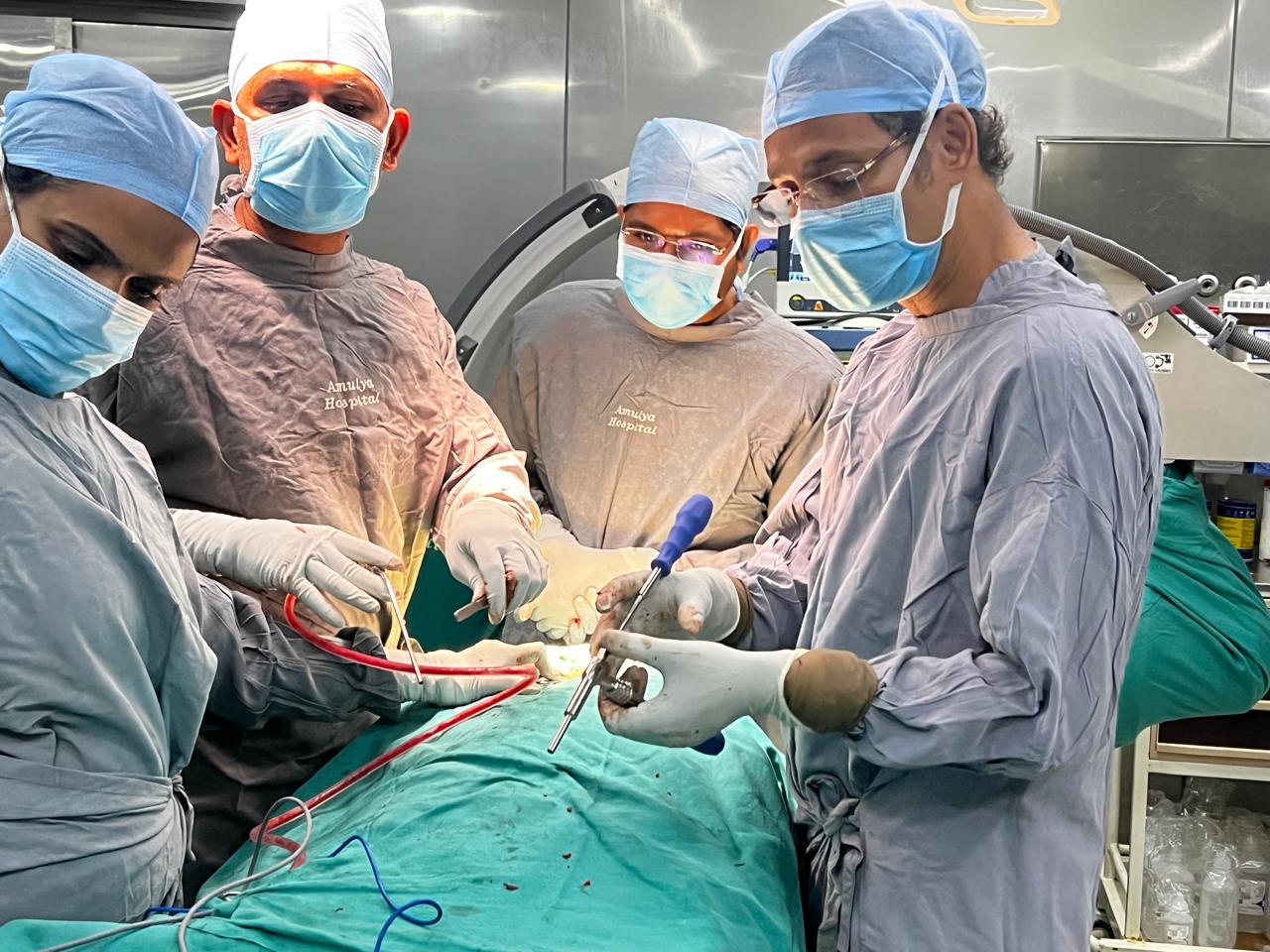
    The surgery involved approaching the spine from the front (anterior), removing the discs at C4-5 & C5-6 (discectomy), thereby relieving the pressure on the spinal cord, and placing a bone graft in the empty disc spaces (fusion) and fixing them with a titanium plate and screws.

    Cervical Spine Treatment Before

    Postoperative Recovery and Progress –

    Surgery was uneventful. He started showing signs of improvement almost immediately after the surgery; he was discharged within 3 days. The patient made steady progress and started to walk with support in a few weeks’ time. 

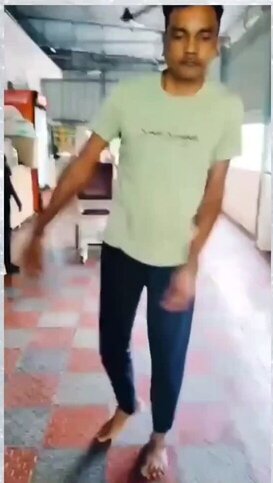
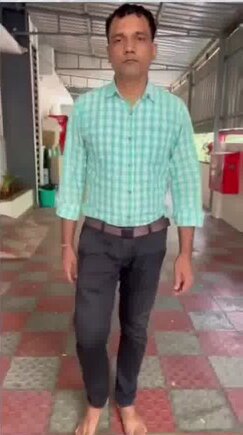
    After 9 months, follow-up X-rays and MRI scans showed good decompression of the spinal cord and fusion at both the C4-5 and C5-6 levels. His paralysis recovered completely; he is able to walk, squat, and get up without any support. He is back to his work and is even able to do what he likes most: biking. 

    Cervical Spine Treatment After

    This case underlines the importance of meticulous examination of every patient to make a correct diagnosis. 

    Understanding Cervical Myelopathy

    Cervical myelopathy is a disorder due to physical compression of the spinal cord in the cervical region (neck). This compression can result from various causes, the commonest being age-related degenerative (wear & tear) changes, followed by disc herniations, spinal canal stenosis, spinal infections, tumors, or injuries. 

    Though cervical myelopathy can affect anyone at any age, it’s more common among males and the elderly. 

    Symptoms of cervical myelopathy

    In the early stages, symptoms are  very subtle,  like  neck pain, feeling of heaviness and numbness in the legs and clumsiness of hands. These are usually mistaken for ‘general weakness’ by patients and sometimes by doctors as well. 

    In the later stages, slipping of footwear unknowingly , swaying while walking, feeling of tightness of legs, loss of balance on closing eyes, and difficulty in climbing stairs and stepping into vehicles are the common symptoms in the legs. Patients will not be able to perform activities involving fine motor skills and coordination of hands like buttoning and unbuttoning shirts, operating mobile phones, counting currency notes, and writing.

    In the advanced stages, patients may be unable to walk without support and unable to firmly grasp objects in the hand. The hands become deformed, and they may not be able to feed themselves, brush their teeth, or clean themselves.

    Finally , the legs become paralyzed, and patients become bedridden; they may lose control in passing urine and motion.

    Why is early diagnosis intervention critical?

    Delay in diagnosis allows the disease to progress; the neural tissues of the spinal cord may be permanently damaged. 

    Early diagnosis and intervention at the appropriate time is crucial for good functional recovery. Surgery in advanced stages only gives poor results

    FAQs:

    Q1) What is Cervical Myelopathy, and what causes it?

    Cervical myelopathy is dysfunction of the spinal cord in the cervical region (neck).

    Compression of the spinal cord in the neck area, commonly caused by disc prolapse, bone spurs, or spinal degeneration, results in cervical myelopathy.

    Q2) How is Cervical Myelopathy diagnosed?

    Cervical myelopathy is difficult to diagnose in the early stages. Only a thorough clinical history and physical examination combined with appropriate investigation will clinch the diagnosis. An MRI scan of the spine shows the extent and severity of compression. CT scans and X-rays provide additional information regarding the nature of compression and also help in planning the surgery.

    Q3) What is the best way to treat cervical myelopathy?

    Mild disease without any worsening or functional impairment can be   managed non-surgically. However, they should be observed and examined at regular intervals for worsening. Nonsurgical options may include 

    Surgery is recommended for all patients with functional impairment or worsening symptoms.

    Q4) After surgery on the cervical spine, how long does it take to get better?

    Recovery largely depends on the stage of the disease at the time of surgery. If operated on early, most patients can go back to work within a few weeks. Recovery also depends on the age of the patient, the number of levels involved, and the severity and nature of compression.

    Q5) Why choose Amulya Hospital for Cervical Spine Surgery in Vizag?

    Our state-of-the-art facilities, cutting-edge technology, and compassionate care create a warm and welcoming atmosphere. Our team of passionate and highly skilled doctors led by Dr. B. Leela Prasad is dedicated to providing personalised attention and expert care.