- 14-1-3/1, Nowroji Rd, Opp More Supermarket, Visakhapatnam
- spineleela@gmail.com
- +91 95739 17693
- +91 95739 17693
Successful Treatment of Cervical Myelopathy
Home > Blog > From Wheelchair-Bound to Walking Independently: Successful Treatment of Cervical Myelopathy
From Wheelchair-Bound to Walking Independently: Successful Treatment of Cervical Myelopathy
Patient Profile
A 42-year-old male patient, Mr. Jugal Kumar Bhoy, from a neighboring state presented with progressive weakness and paralysis of his right upper and lower limbs. Initially, a brain stroke was suspected, and a CT scan of the brain was performed. However, the scan revealed no abnormalities.
Despite treatment, his symptoms rapidly worsened over the following days, eventually leaving him wheelchair-bound and unable to perform routine daily activities independently.
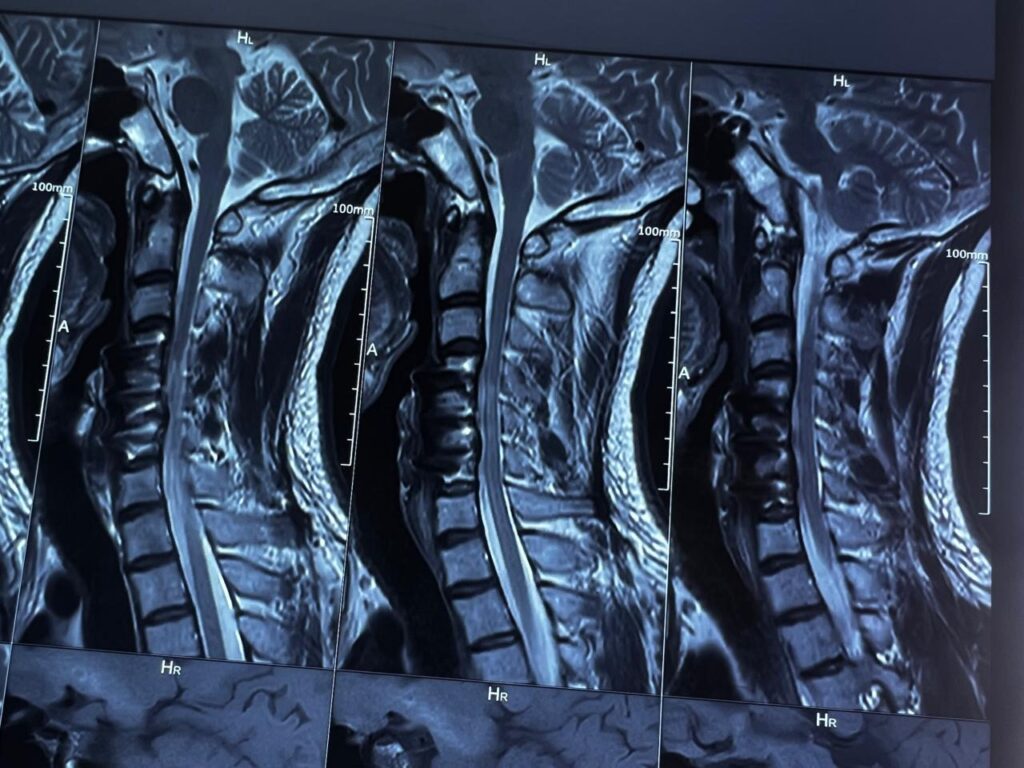
At this critical stage, he consulted Dr. B. Leela Prasad at Amulya Hospital. Following a detailed clinical evaluation and neurological examination, cervical spinal cord pathology was suspected. An MRI scan of the cervical spine was subsequently advised.
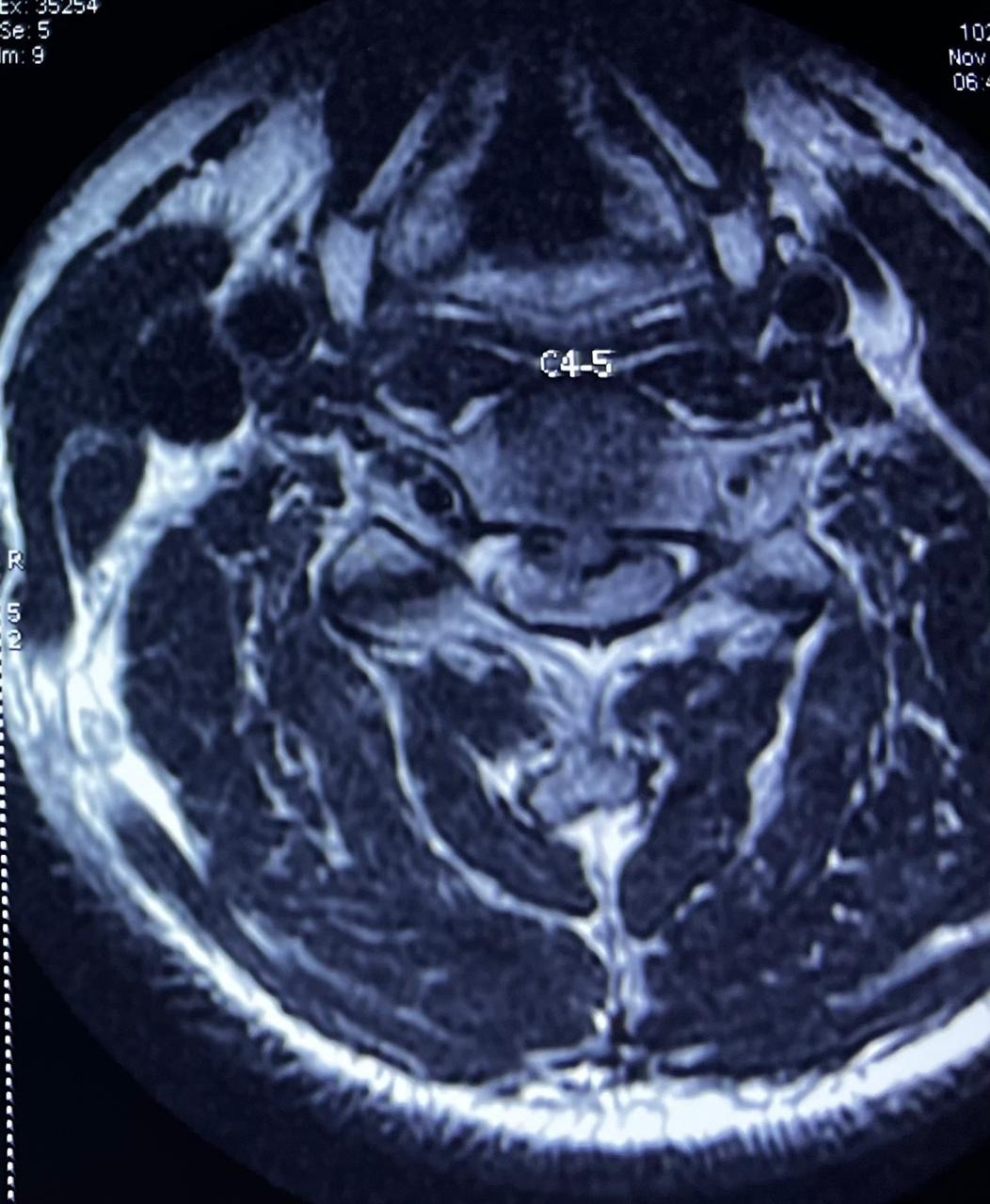
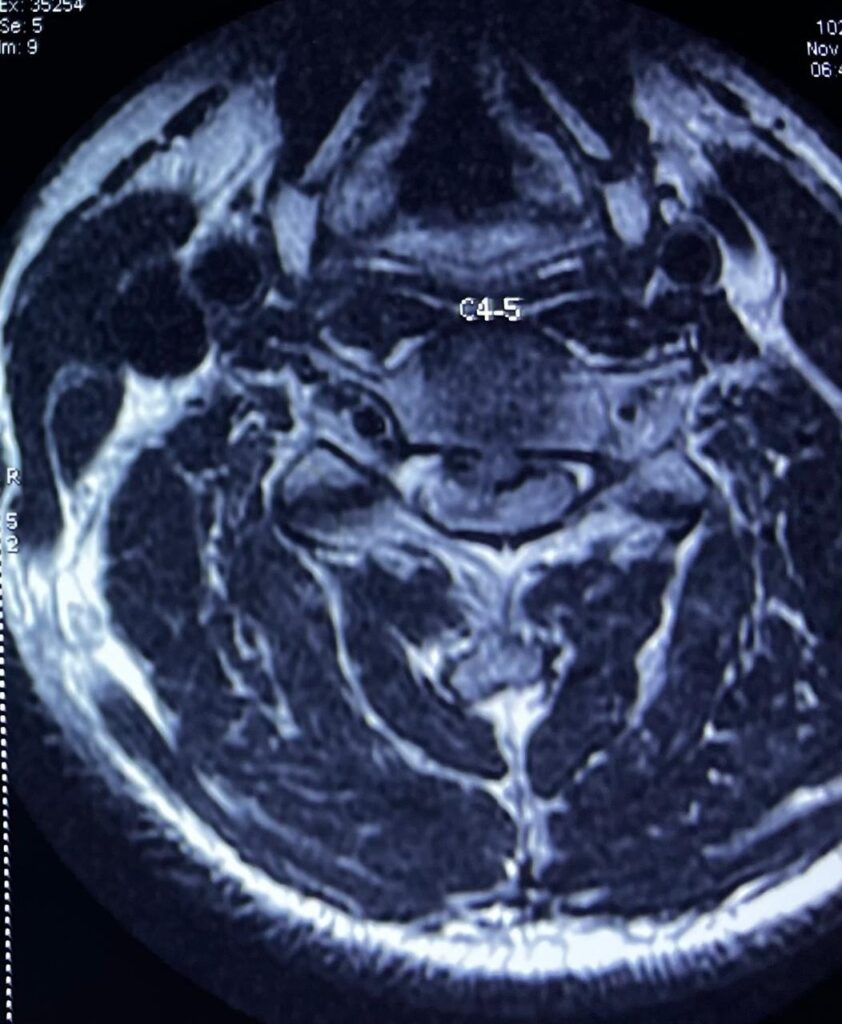
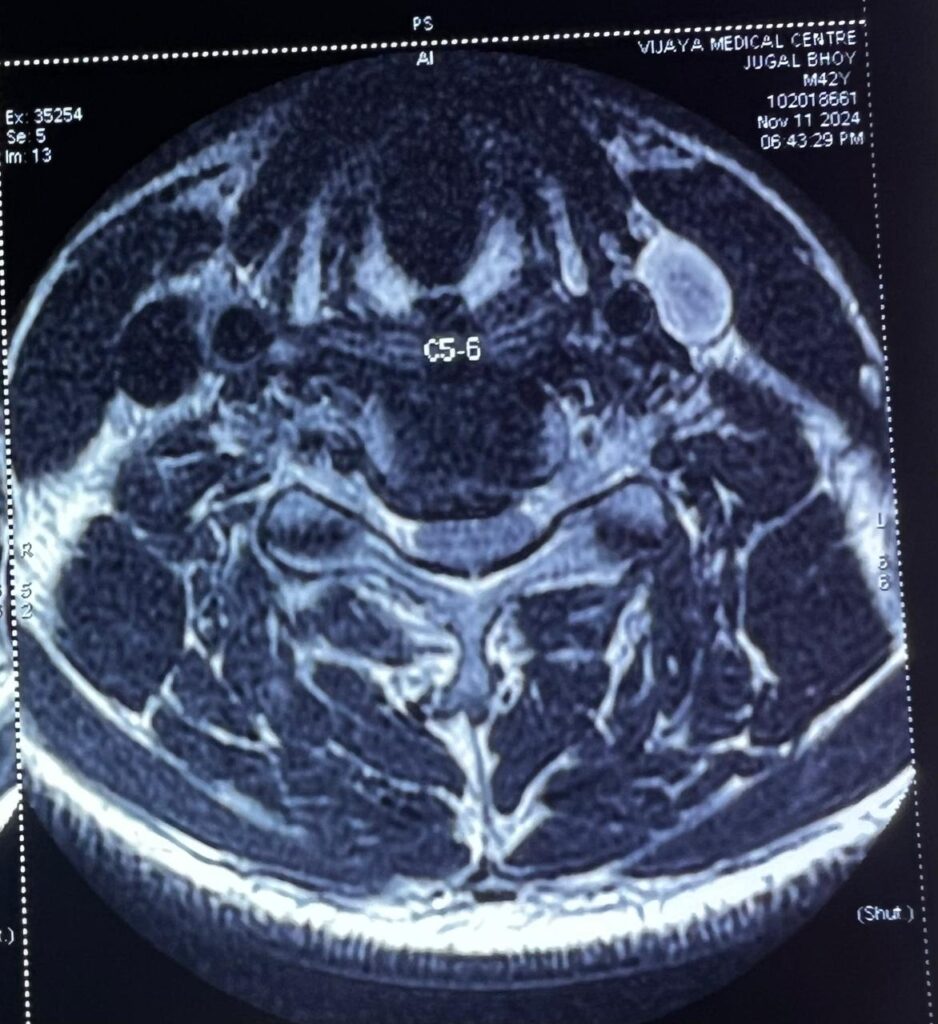
The MRI revealed ossification of the posterior longitudinal ligament (OPLL) causing severe spinal cord compression at the C4-C5 and C5-C6 levels, explaining the patient’s rapidly deteriorating neurological condition.
Considering the severity of the compression and the progressive loss of function, urgent surgical intervention was recommended after a thorough discussion of the risks, benefits, and expected outcomes.
Understanding Cervical Myelopathy
Cervical myelopathy occurs when the spinal cord in the neck region becomes compressed due to conditions such as:
- Degenerative cervical disc disease
- Disc prolapse
- Bone spurs (osteophytes)
- Ossification of the posterior longitudinal ligament (OPLL)
- Cervical spinal canal narrowing (stenosis)
If left untreated, cervical myelopathy can lead to progressive neurological decline and permanent disability.
Common Symptoms
- Difficulty walking
- Loss of balance and coordination
- Weakness in the arms and legs
- Numbness or tingling sensations
- Reduced hand dexterity
- Difficulty performing daily activities
In this patient’s case, the disease progressed rapidly, resulting in severe weakness and loss of mobility, necessitating urgent surgical treatment.
Expert Assessment by Dr. B. Leela Prasad
After a comprehensive neurological examination and radiological evaluation, Dr. B. Leela Prasad diagnosed severe cervical spinal cord compression secondary to OPLL.
The primary objectives of treatment were:
- Relieve pressure on the spinal cord
- Prevent further neurological deterioration
- Restore neurological function
- Improve mobility and independence
- Enhance overall quality of life
Given the severity of cord compression and the patient’s rapidly worsening symptoms, surgical decompression was considered the most appropriate treatment option.
The Surgical Solution: Anterior Cervical Discectomy and Fusion (ACDF)
To address the spinal cord compression, Dr. Leela Prasad performed an Anterior Cervical Discectomy and Fusion (ACDF), a well-established procedure for treating cervical myelopathy.
The Procedure Involved
- Removal of the diseased cervical discs
- Excision of the ossified posterior longitudinal ligament (OPLL)
- Complete decompression of the spinal cord
- Restoration of normal cervical alignment
- Stabilization of the cervical spine using specialized implants and fusion techniques
Postoperative imaging confirmed successful decompression and accurate placement of the cervical fixation system, resulting in restored spinal stability.
Recovery and Rehabilitation
Following surgery, the patient demonstrated encouraging neurological recovery.
With structured rehabilitation and physiotherapy, he gradually regained strength, coordination, balance, and functional mobility.
Improvements Observed
- Improved balance and gait
- Better coordination and stability
- Increased strength in the lower limbs
- Enhanced control of body movements
- Greater independence in daily activities
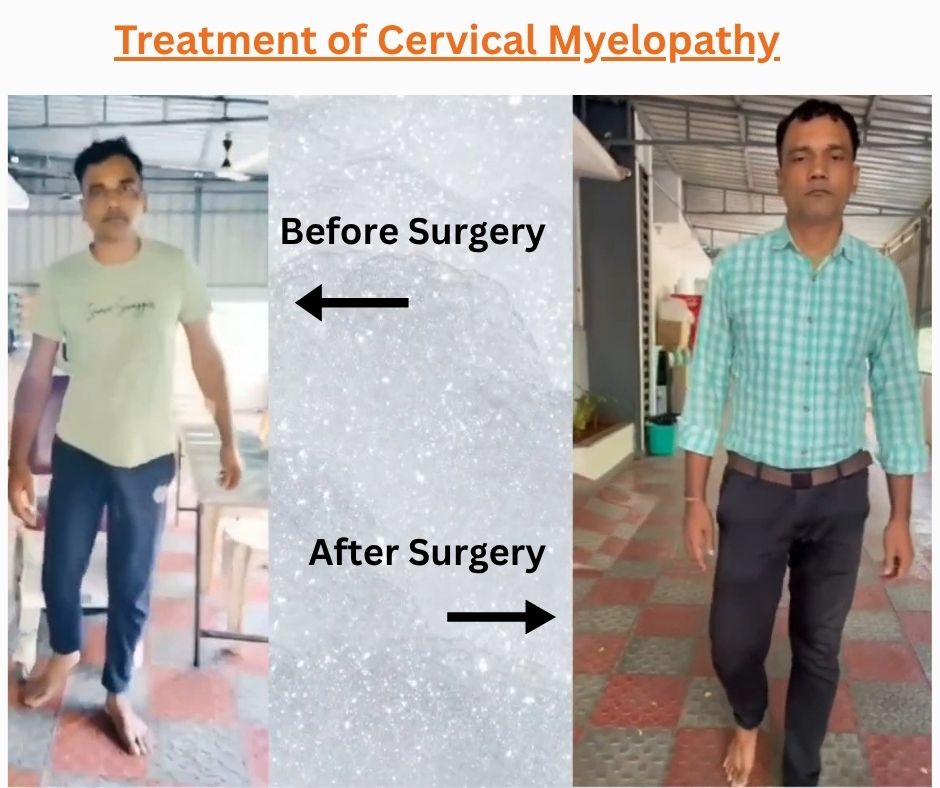
One of the most remarkable aspects of his recovery was the restoration of functional mobility that had been severely compromised before surgery.
Outcome
The surgical outcome was highly successful, with significant neurological and functional improvement.
Walking Independently
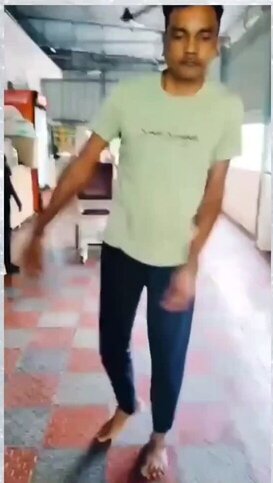
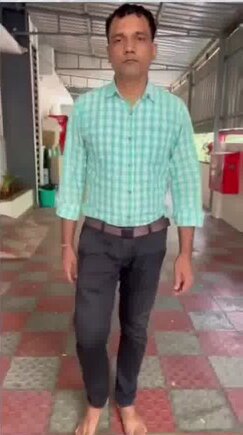
Before surgery, the patient had become wheelchair-bound due to progressive weakness and imbalance. Following treatment and rehabilitation, he regained the ability to walk independently with confidence and improved coordination.
Performing Squatting Movements
Postoperative video documentation demonstrated the patient’s ability to perform squatting movements successfully, reflecting substantial improvement in lower limb strength, flexibility, and motor control.
Restored Confidence and Independence
Beyond physical recovery, the patient regained confidence and independence, enabling him to return to normal daily activities and enjoy a significantly improved quality of life.
Why Early Treatment of Cervical Myelopathy Is Important
Cervical myelopathy is a progressive condition that often worsens if left untreated. Early diagnosis and timely intervention are essential to prevent irreversible spinal cord damage.
Warning Signs to Watch For
- Difficulty walking
- Frequent falls or balance problems
- Hand weakness or clumsiness
- Neck pain or stiffness
- Numbness or tingling in the arms or legs
- Difficulty with fine motor tasks such as buttoning clothes or writing
Seeking medical evaluation at the earliest stage can greatly improve treatment outcomes and recovery potential.
Why Patients Choose Dr. B. Leela Prasad
Dr. B. Leela Prasad is recognized for his expertise in the management of complex spinal disorders and advanced cervical spine surgery.
Patients Benefit From
- Comprehensive spine evaluations
- Expertise in cervical spine procedures
- Advanced surgical techniques
- Personalized treatment planning
- Strong focus on patient safety and recovery
- Extensive experience in treating cervical myelopathy and spinal cord compression
Advanced Spine Care at Amulya Hospital
Amulya Hospital offers comprehensive diagnosis and treatment for a wide range of spinal disorders, including:
- Cervical myelopathy
- Disc prolapse
- Spinal stenosis
- Scoliosis
- Spinal trauma
- Degenerative spine disorders
The hospital combines advanced imaging, modern surgical techniques, and structured rehabilitation programs to achieve optimal patient outcomes.
Conclusion
This case demonstrates the life-changing impact of timely diagnosis and expert surgical management of cervical myelopathy. Through accurate diagnosis, advanced ACDF surgery, and dedicated postoperative rehabilitation, Dr. B. Leela Prasad successfully helped the patient regain mobility, independence, and confidence.
Today, the patient is able to walk independently, perform daily activities comfortably, and enjoy a significantly improved quality of life. His recovery serves as an inspiring example of how specialized spine care can restore neurological function and help patients return to active, fulfilling lives.
Disclaimer: Individual results may vary. Treatment recommendations depend on each patient’s specific condition, clinical findings, and overall health status.
Dr. B Leela Prasad

Dr. B. Leela Prasad is one of the country’s most renowned orthopedic doctors, with over 15 years of experience in the field. After earning his medical degree from Andhra Medical College, Visakhapatnam, he pursued post-graduation in Orthopedics at Guntur Medical College.
Visit Us at
- Amulya Hospital
- 14-1-3/1, Nowroji Rd, Opp More Supermarket, Visakhapatnam
- spineleela@gmail.com
- +91 95739 17693
- Hyma Nursing Home
- Main Road, Marripalem, Visakhapatnam-18
- HYMA Nursing : 07:30PM – 09:30 PM