Tag: Dr. B. Leela Prasad spine specialist

  • Common Myths About Back Pain
    Common Myths About Back Pain

    Common Myths About Back Pain

    1. Myth: Back pain always means there is a serious spine problem.

    Fact:
    Most episodes of back pain are due to muscle strain, poor posture, or unaccustomed activity. They usually improve with rest, physiotherapy, and simple medication. Only a small percentage of cases are caused by serious conditions such as infection, tumors, or disc related problems.

    2. Myth: Back pain and spine problems occur only in elderly people.

    Fact:
    Back pain and other spine disorders can affect people of all ages, including young adults and adolescents. Conditions such as disc prolapse, sports injuries, or infections can occur even in younger individuals.

    3. Myth: Back pain in elderly people is a normal part of aging, and nothing needs to be done.

    Fact:
    Although back pain in older adults is often related to age-related wear and tear, it is not an inevitable part of aging and should not be ignored. It may also be caused by serious conditions such as infection, fractures, or cancer. Proper medical evaluation and timely treatment can significantly reduce pain and improve mobility.

    4. Myth: Spinal anesthesia injections cause back pain later in life.

    Fact:
    Spinal anesthesia does not cause long-term back pain. The injection is given in the lower back with a very fine needle and temporarily affects the nerves to provide anesthesia during surgery.

    Some patients may experience mild soreness at the injection site for a few days, but this usually resolves on its own and does not lead to chronic back pain.

    5. Myth: Lifting weights in the gym causes back pain.

    Fact:
    Weight training does not necessarily cause back pain. When done correctly and under proper guidance, it can actually strengthen the muscles that support the spine.

    Back pain during gym activities usually occurs due to:

    • Improper lifting technique
    • Lifting excessive weight beyond one’s capacity
    • Lack of proper warm-up
    • Weak core muscles
    • Sudden increase in training intensity

    Strengthening the core, back, and abdominal muscles can actually reduce the risk of back pain.

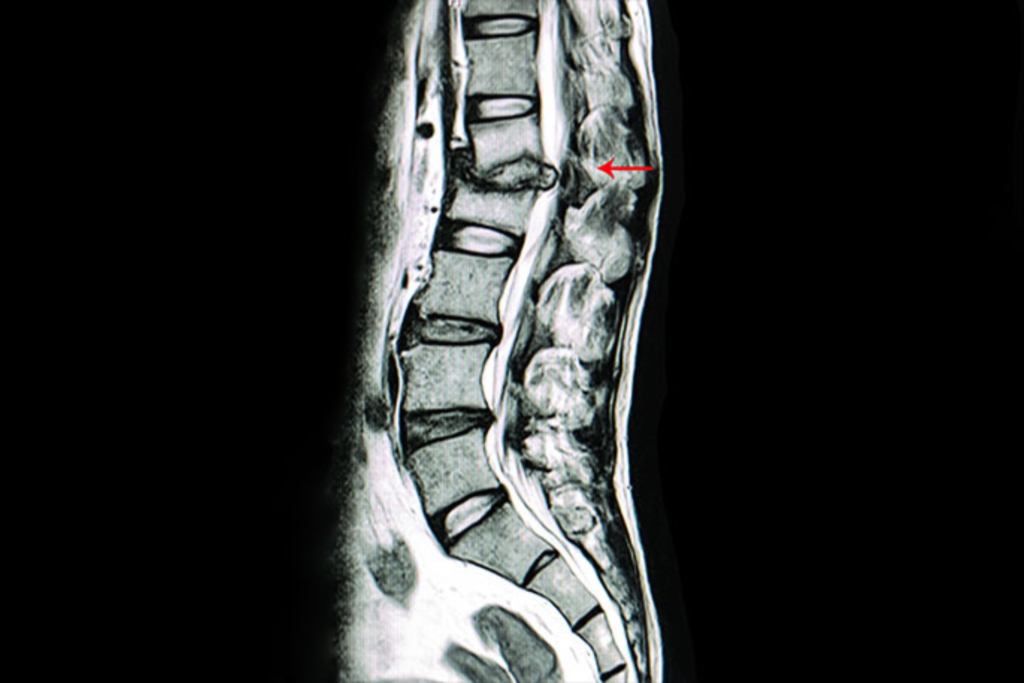
    6. Myth: Back pain always shows up on X-ray or MRI. If scans are normal, the pain must not be real.

    Fact:
    Many people experience back pain due to muscle or soft-tissue strain, which may not appear on X-ray or MRI scans. Pain can still be real even when imaging tests are normal.

    7. Myth: Complete bed rest is the best treatment for back pain.

    Fact:
    Prolonged bed rest can worsen back pain by weakening muscles and stiffening joints. A short period of rest followed by gentle activity and physiotherapy is usually recommended.

    8. Myth: People with back pain should sleep on the floor or a hard bench.

    Fact:
    Sleeping on a very hard surface is not necessary and may even increase discomfort by putting extra pressure on the shoulders, hips, and spine.

    Doctors usually recommend a medium-firm mattress that supports the natural curves of the spine and allows the muscles to relax.

    9. Myth: Oil massage alone can cure back pain.

    Fact:
    Massage may provide temporary relief, but it does not treat underlying causes such as spinal stenosis, disc problems, or muscle imbalance.

    10. Myth: Wearing a back belt all the time will fix back pain.

    Fact:
    Long-term use of back belts may actually weaken the back muscles. They are usually recommended only for short-term support in specific situations.

    11. Myth: Once you have back pain, you should stop exercising permanently.

    Fact:
    Regular exercise and strengthening of the back and core muscles help prevent future episodes of back pain and improve spinal health.

    12. Myth: If you have a slipped disc, surgery is the only option.

    Fact:
    Many patients with disc prolapse recover with a short period of rest, medications and physiotherapy. Surgery is required only in a small percentage of cases, particularly when there is severe nerve compression or progressive weakness.

    Back Pain Treatment By Dr. B. Leela Prasad

    To get effective relief from chronic back pain, you can talk to Dr. B. Leela Prasad, who is one of the best spine doctors in Visakhapatnam. He has a lot of experience diagnosing and treating spinal issues. He offers expert therapy for conditions like slip disc treatment, sciatica, spinal degeneration, and persistent back pain. His method is based on making the right diagnosis, creating tailored treatment programs, and using advanced spine care procedures to help people move again and enhance their quality of life. Patients seeking reliable back pain treatment in Vizag trust his expertise for both non-surgical management and advanced spine procedures.

  • 10 FAQs regarding TB Spine

    10 FAQs regarding TB Spine


    Q1. Many people think TB affects only the lungs. Does it really affect the spine?

    Though TB commonly affects the lungs, it can also affect bones and joints (called skeletal tuberculosis).
    In fact, the spine is the most common site of bone TB. Get the best tuberculosis spine treatment in Vizag from Dr. B. Leela Prasad.


    Q2. Can healthy people get TB spine? Or does it affect only poor or malnourished people?

    Anyone can get TB spine—young or old, healthy or sick, educated or not, well-nourished or undernourished.

    TB spine is a medical condition—not a reflection of lifestyle, hygiene, education, or social status.

    However, the risk is higher in:

    • People with diabetes
    • Patients with HIV
    • Patients on long-term steroids/chemotherapy/immune-suppressive medications

    Q3. Does TB spine spread by sharing food or close contact with a patient?

    No. TB spine is not contagious. It does not spread from person to person.

    Only lung TB (pulmonary TB) spreads through air when an infected person coughs. Spinal TB itself does not spread.


    Q4. Does TB spine always cause fever, cough, weight loss, and loss of appetite?

    • Fever, weight loss, and loss of appetite may be present in some patients — but not all.
    • Cough is present only in patients with lung TB.

    Patients with TB spine do not have cough unless they also have lung TB.


    Q5. How is back pain due to TB spine different from routine back pain?

    Back pain due to TB spine is often more severe, persistent, progressive and  worse at night.. Unlike routine back pain it doesn’t improve with rest or painkillers.


    Q6. Does TB spine always need surgery, or can it be treated with medication?

    TB spine is primarily a medical disease and can be cured with proper anti-TB medication alone.

    Surgery is needed only in selected cases, such as:

    • Weakness or paralysis due to nerve compression
    • Severe or worsening deformity (hump)
    • Spinal instability
    • Large abscess
    • No improvement despite proper medication

    Most patients recover without surgery. For more information about the treatment, it is recommended to consult the best spine specialist near me.


    Q7. Does TB spine cause paralysis? If yes, does it recover?

    Paralysis is uncommon and usually occurs when:

    • Diagnosis is delayed
    • Treatment is inadequate

    If treated early, paralysis often recovers well.
    However, if treatment or surgery is delayed, recovery may be incomplete.

    Early diagnosis is key.


    Q8. Are anti-TB drugs safe? Do they have serious side effects?

    Anti-TB drugs are very effective and safe for most patients.

    However,  they can cause serious side effects in a small number of patients. Treatment should therefore always be administered under close medical supervision.

    Never stop medicines without consulting your doctor.


    Q9. How long should a patient take anti-TB medication? What happens if treatment is stopped midway?

    Patients with TB spine usually need anti-TB treatment for at least 9 months, depending on medical advice.

    Stopping medication early or taking it irregularly can:

    • Cause recurrence of the disease
    • Lead to drug resistance
    • Make treatment more difficult

    Complete the full course, even if symptoms improve. Always get the best consultation from an expert spine surgeon.


    Q10. Does everyone with TB spine develop a hump? Can it be corrected?

    No. Not everyone develops a hump (spinal deformity).

    Deformity usually occurs in:

    • Late diagnosis
    • Inadequate treatment
    • Extensive disease

    Early treatment can prevent or minimize deformity.

    If deformity develops, it can be corrected with surgery.