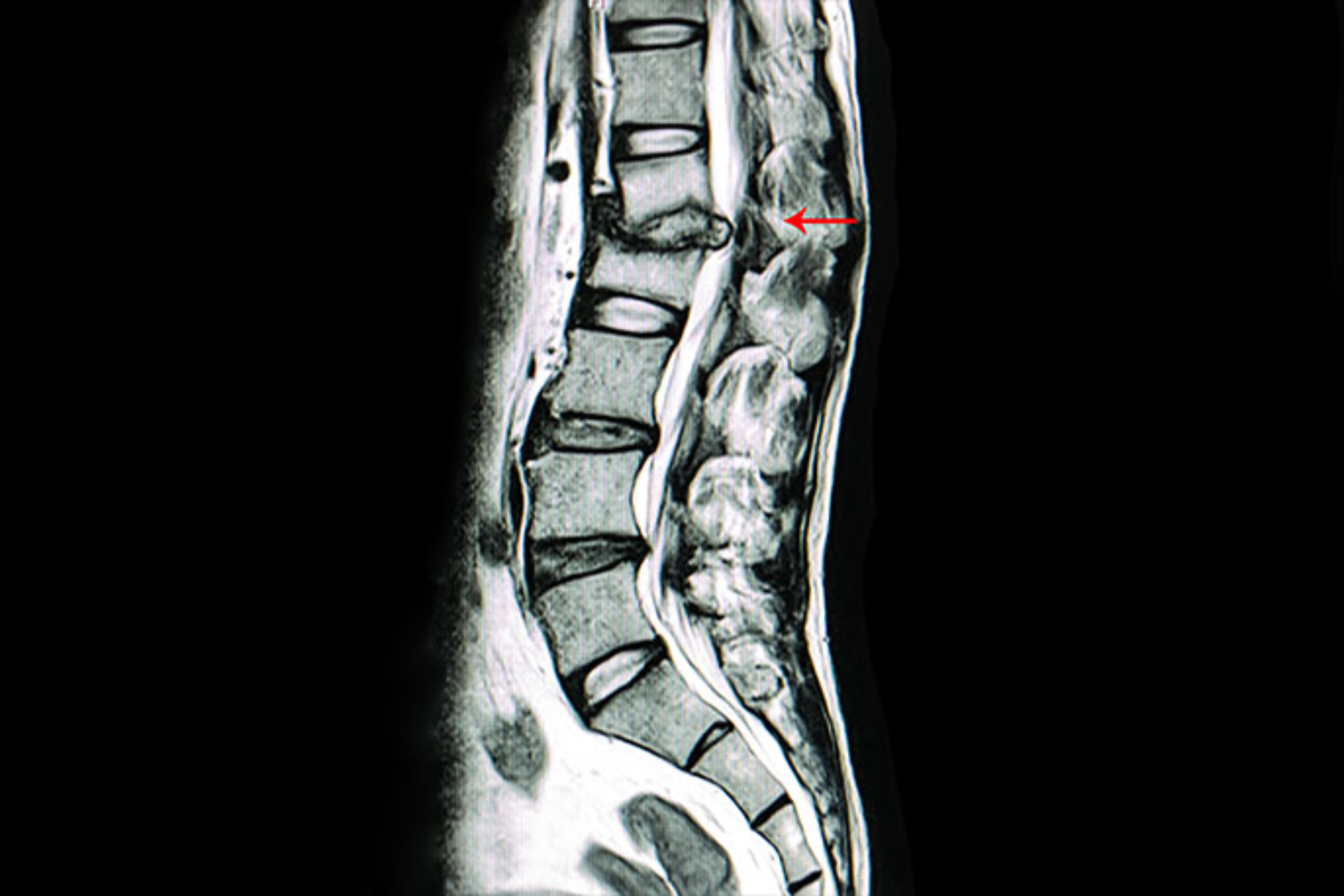
Q1. Many people think TB affects only the lungs. Does it really affect the spine?
Though TB commonly affects the lungs, it can also affect bones and joints (called skeletal tuberculosis).
In fact, the spine is the most common site of bone TB. Get the best tuberculosis spine treatment in Vizag from Dr. B. Leela Prasad.
Q2. Can healthy people get TB spine? Or does it affect only poor or malnourished people?
Anyone can get TB spine—young or old, healthy or sick, educated or not, well-nourished or undernourished.
TB spine is a medical condition—not a reflection of lifestyle, hygiene, education, or social status.
However, the risk is higher in:
- People with diabetes
- Patients with HIV
- Patients on long-term steroids/chemotherapy/immune-suppressive medications
Q3. Does TB spine spread by sharing food or close contact with a patient?
No. TB spine is not contagious. It does not spread from person to person.
Only lung TB (pulmonary TB) spreads through air when an infected person coughs. Spinal TB itself does not spread.
Q4. Does TB spine always cause fever, cough, weight loss, and loss of appetite?
- Fever, weight loss, and loss of appetite may be present in some patients — but not all.
- Cough is present only in patients with lung TB.
Patients with TB spine do not have cough unless they also have lung TB.
Q5. How is back pain due to TB spine different from routine back pain?
Back pain due to TB spine is often more severe, persistent, progressive and worse at night.. Unlike routine back pain it doesn’t improve with rest or painkillers.
Q6. Does TB spine always need surgery, or can it be treated with medication?
TB spine is primarily a medical disease and can be cured with proper anti-TB medication alone.
Surgery is needed only in selected cases, such as:
- Weakness or paralysis due to nerve compression
- Severe or worsening deformity (hump)
- Spinal instability
- Large abscess
- No improvement despite proper medication
Most patients recover without surgery. For more information about the treatment, it is recommended to consult the best spine specialist near me.
Q7. Does TB spine cause paralysis? If yes, does it recover?
Paralysis is uncommon and usually occurs when:
- Diagnosis is delayed
- Treatment is inadequate
If treated early, paralysis often recovers well.
However, if treatment or surgery is delayed, recovery may be incomplete.
Early diagnosis is key.
Q8. Are anti-TB drugs safe? Do they have serious side effects?
Anti-TB drugs are very effective and safe for most patients.
However, they can cause serious side effects in a small number of patients. Treatment should therefore always be administered under close medical supervision.
Never stop medicines without consulting your doctor.
Q9. How long should a patient take anti-TB medication? What happens if treatment is stopped midway?
Patients with TB spine usually need anti-TB treatment for at least 9 months, depending on medical advice.
Stopping medication early or taking it irregularly can:
- Cause recurrence of the disease
- Lead to drug resistance
- Make treatment more difficult
Complete the full course, even if symptoms improve. Always get the best consultation from an expert spine surgeon.
Q10. Does everyone with TB spine develop a hump? Can it be corrected?
No. Not everyone develops a hump (spinal deformity).
Deformity usually occurs in:
- Late diagnosis
- Inadequate treatment
- Extensive disease
Early treatment can prevent or minimize deformity.
If deformity develops, it can be corrected with surgery.